Cyberbullying: 'Social media companies can do a lot more'
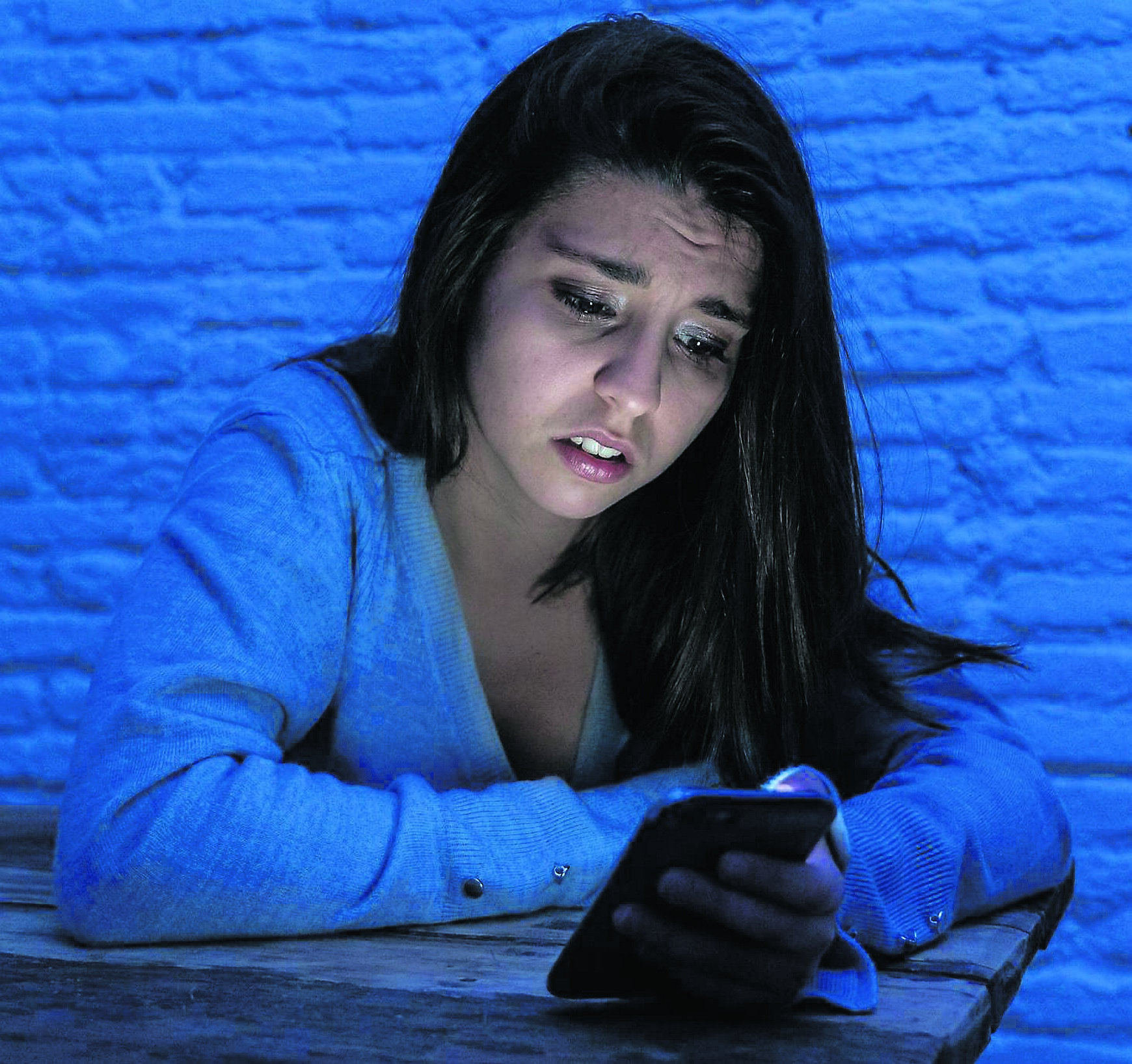
One in three students have been bullied in the past month, making it the most prevalent form of violence in schools, with one in 10 students cyberbullied, according to Unesco.
Greater transparency around how online platforms are tackling cyberbullying on their sites is crucial to effectively deal with the issue, which has a profound and harmful effect on children, an Oireachtas committee was told today.
Researchers from the National Anti-Bullying Research Centre at Dublin City University addressed an Oireachtas education committee today to discuss how to end bullying and cyberbullying in schools.

Today marks the first International Day Against Violence and Bullying in Schools, an initiative led by Unesco. One in three students have been bullied in the past month, making it the most prevalent form of violence in schools, with one in 10 students cyberbullied, according to Unesco.
@PresidentIRL President, Michael D.Higgins, offers a message of support for the first @UNESCO International Day Against Bullying and Violence in Schools, inc Cyberbullying in Ireland which aims to eliminate fear and violence for students #StopBullying @DCUhttps://t.co/JJKGDQ74hC
— Anti Bullying Centre (ABC) (@AntiBullyingCen) November 5, 2020
Research carried out by the National Anti-Bullying Research Centre on the online experiences of Irish children between the age of 10 and 18 found that almost three in ten had been the target of cyberbullying during the lockdown, and 50% had seen other being cyberbullied.
While school communities, parents, and pupils themselves play a role in tackling the issue, the part online platforms play must also be considered, according to Dr Tijana Milosevic of the National Anti-Bullying Research Centre.
“There have been regulatory efforts in Ireland in the form of the Online Safety Media Regulation Bill — which is in the workings — that have proposed to actually enhance the role that social media companies play, and to ensure that there is a process so children, teachers, and also parents have effective ways to actually report cases like this when they happen,” she said.
In the context of Covid-19, given that a lot of schooling happened online, the line between school bullying and cyberbullying will become even more blurry, she said. "So it is extremely important to have a way to effectively report and engage the platforms to assist people when this happens."
Fianna Fáil TD Jim O’Callaghan asked Ms Milosevic if she believed that social media companies are doing enough to address cyberbullying. In response, Ms Milosevic said: “That is a very difficult question to answer.
More transparency would help us understand how efficient their policies are, she added.
"There is insufficient research in terms of how the measures that the companies have in place at the moment are impacting children, and whether actually children are finding them effective or not,” she said.
Green Party TD Marc Ó Cathasaigh asked if there has been an increase in cyberbullying on any specific platforms, such as TikTok, or on the educational platforms used by schools.
Ms Milosevic said she did not want to single out one online platform in particular as researchers have seen an even increase in cyberbullying across the board.
“I can't tell you there's a specific platform that we need to pay attention to, but definitely, as Teams and Zoom and different types of platforms are being used for educational purposes, definitely cyberbullying can slip into that," she said.