Government refuses to bow to pressure on sale of baby clothes
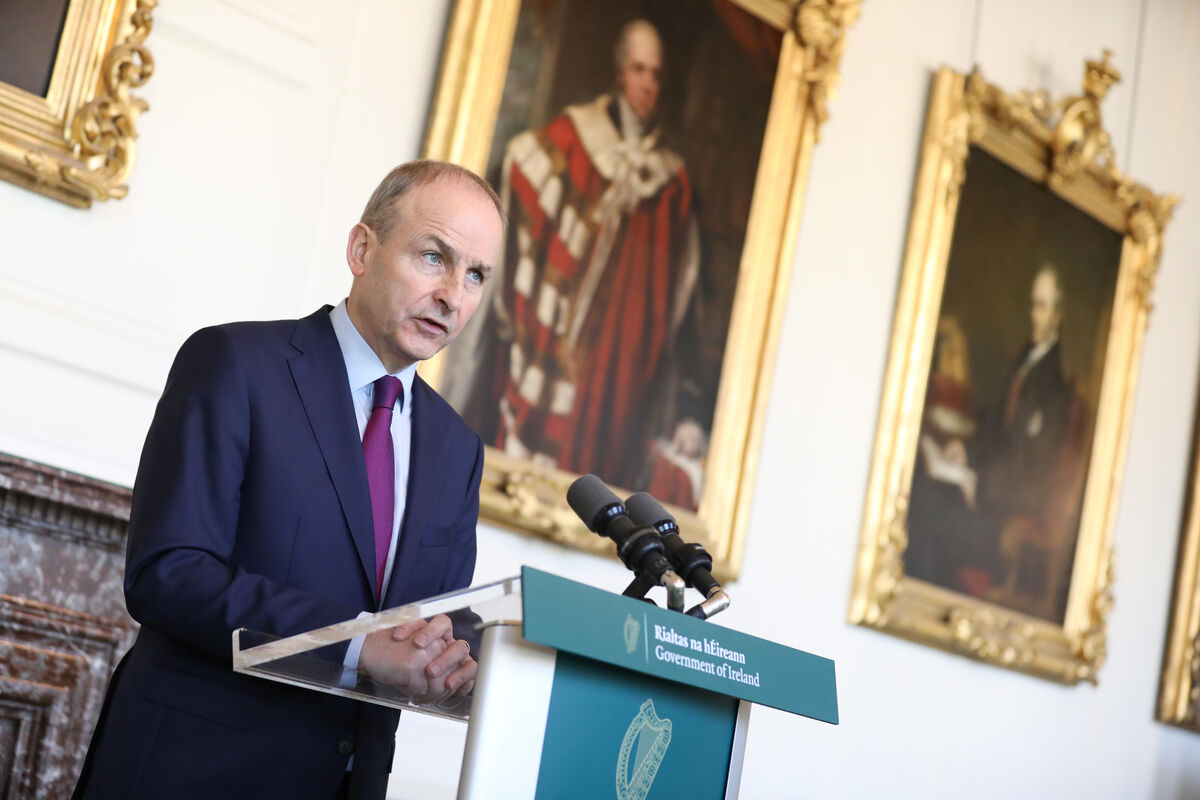
Taoiseach Micheál Martin has said it would be “not fair” to smaller retailers forced to closed under level 5 lockdown conditions if large supermarkets were allowed to sell so-called “non-essential” items. Picture: Victoria Jones/PA
The Government has rejected calls to lift its ban on the sale of children’s clothes and other household items in supermarkets.
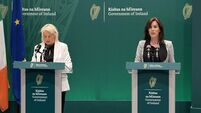
Taoiseach Micheál Martin has said it would be “not fair” to smaller retailers forced to closed under level 5 lockdown conditions if large supermarkets were allowed to sell so-called “non-essential” items.
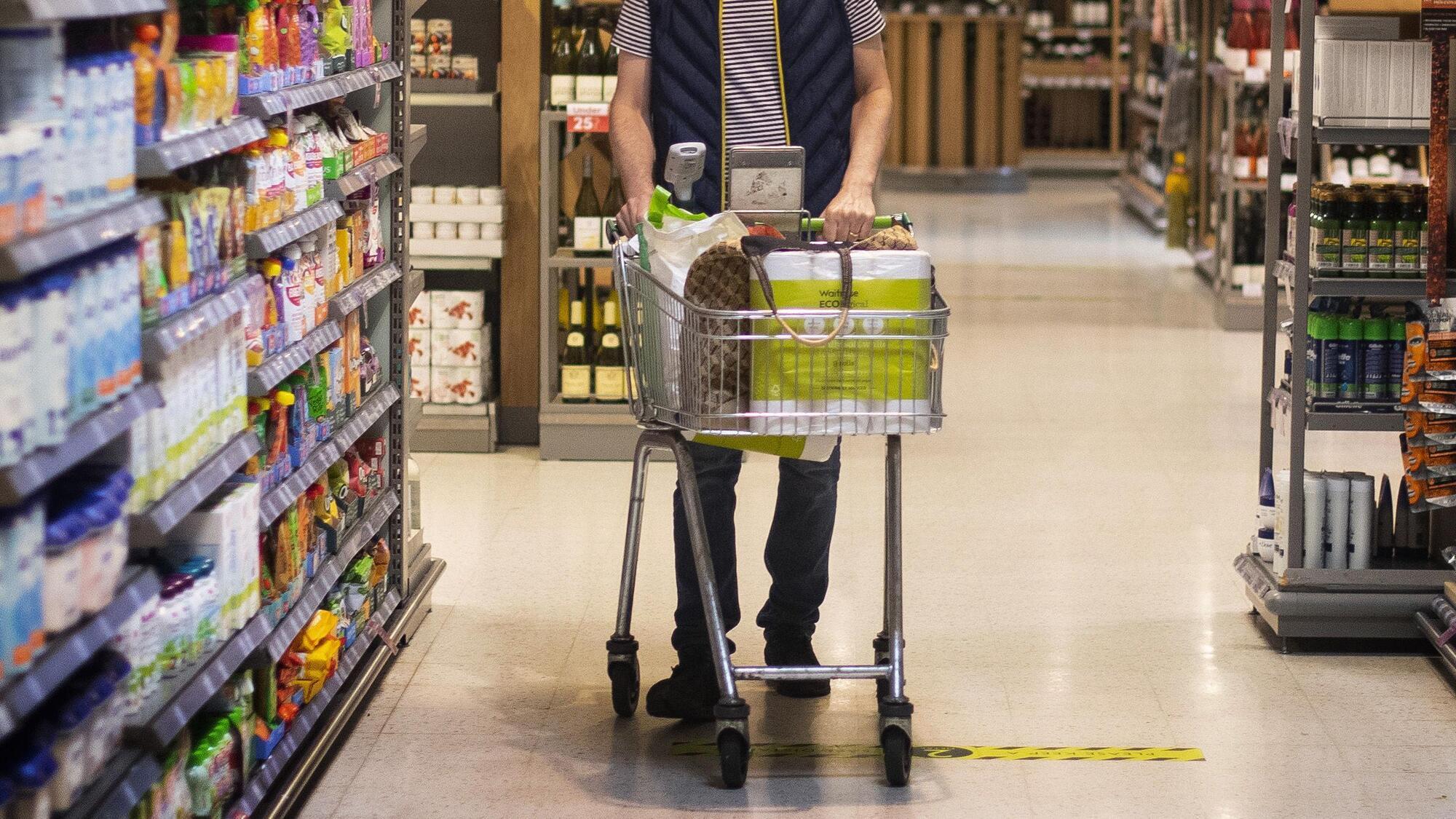
In recent days, gardaí have visited shops across the country to advise them they could not sell baby clothes, homewares and other non-food and drink items.
Mr Martin said larger retailers cannot be allowed to “exploit” the lockdown conditions. He said this is simply a result of living with level 5.
“Shops can't exploit the situation, particularly big retailers and so on, because small retailers had to close. It's not fair on them that a multiple would have its non-essential side open. That's just not fair and that's not everyone pulling together. Multiples have assured government that they're not going to do this,” he told the .
"Many people on the street front and country towns had to close. And it's not fair for them. Fundamentally, there's an issue of fairness."
In recent days, Tesco, Lidl and Aldi have all said that they will limit the non-essential items they will sell, with the German retailers effectively shutting their "middle aisles", which sold cookware, electronics and garden equipment. Some stores have seen an end to the sale of children's clothes.
Aldi said its Specialbuy promotions would be to be suspended, while Lidl said they will not be selling any items that are non-essential. These items include things like Christmas decorations and toys.
Mr Martin said that shopping centres themselves have been problematic, with the congregation of large numbers of people being seen as an issue.
He said Nphet's advise is to "reduce overall congestion" in the community for the next six weeks.
"The objective of that is if you reduce the numbers of gatherings and locations of people gathering together, it reduces the incidence of the virus and you can make the progress we want to make in terms of getting the numbers really low,” he said.
The move comes as a further six deaths and 866 cases of Covid-19 were confirmed. The number of cases has now passed the 60,000 mark in Ireland.
Laura Erskine, from the BabyDoc Club, an organisation that provides support and advice for new parents across the country, including almost 70,000 members on Facebook, said the decision to ban the sale of baby clothes was "a record for the most ridiculous made by the Government yet".
Ms Erskine said their social media channels were awash with worried and upset parents in recent days.
"The vague guidelines given by the Government to retailers in preparation for the current level 5 living with Covid restrictions has caused confusion amongst the public and retailers themselves, but it has hurt the most vulnerable members of society," she said.
"A pregnant mother may go into labour at any time during her 40-week gestation, with premature babies having a real chance of survival from as early as 24 weeks. There is still a widely held superstition around over-preparing for babies arrival, in the event they may not safely make it into this world.
"As a result, some parents expecting babies over the next couple of months had not bought essential clothing for their baby or indeed additional underwear and nightwear to bring to hospital. Since partners and visitors are restricted from visiting a new mum, preparation must be made in advance for all eventualities."
Social Democrats TD Gary Gannon said the move was "frustrating" and would "punish those who are older and on social welfare".
"People have nowhere to buy a white t-shirt for the kids going back to school. I didn't see anyone lobbying for this. Things like this just seem nonsensical to the normal punter and they impact morale," the Dublin TD said.
"It has to be about safety — not a discretionary understanding of fairness."
CONNECT WITH US TODAY



Be the first to know the latest news and updates