Wexford council blames drone-use on fears of a Dublin tourist influx
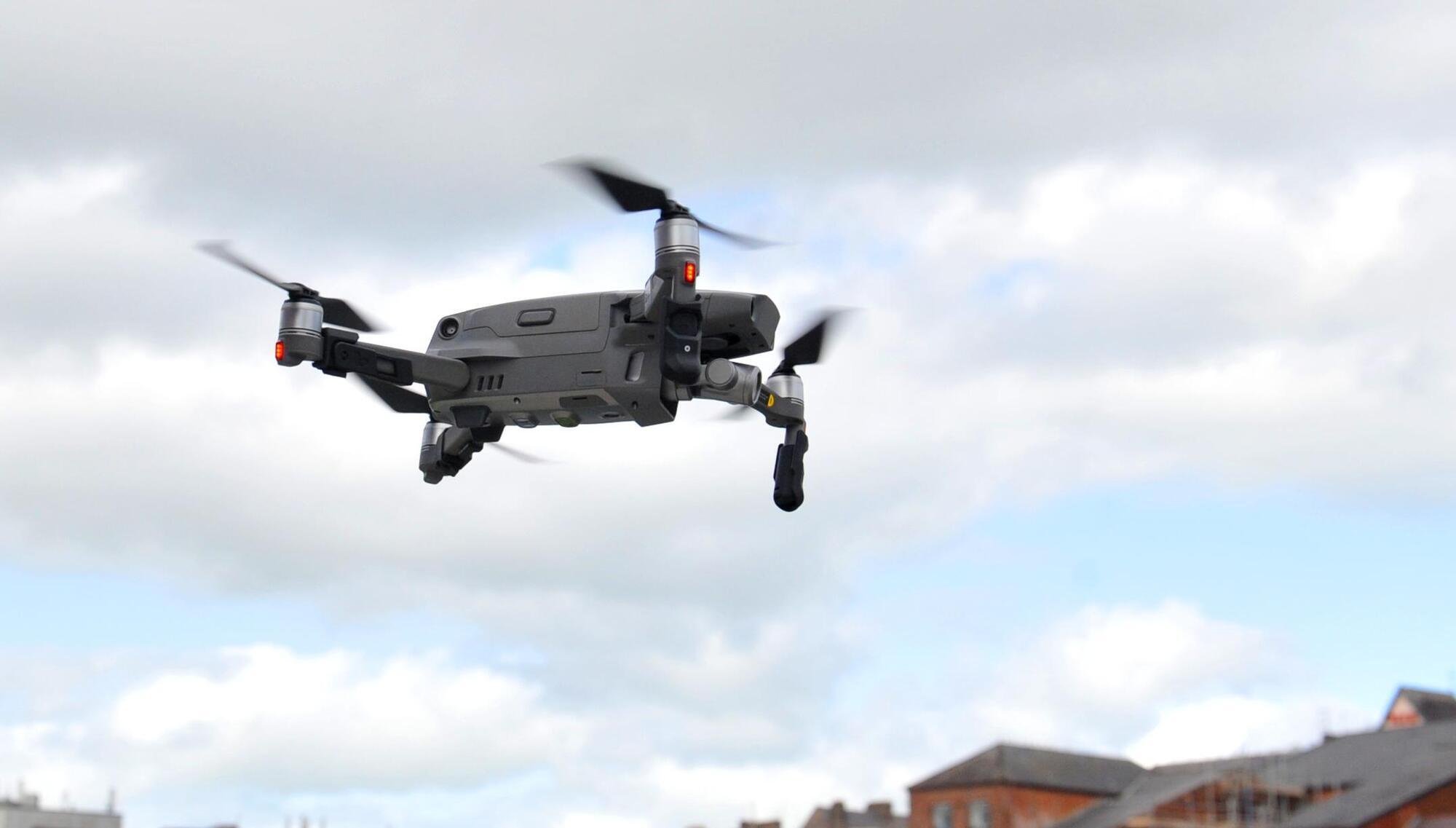
A report by Wexford County Council said officials felt the county was “uniquely vulnerable to” a high incidence of community transmission of the virus due to it being “blessed with a wonderful coastline that attracts thousands of visitors on an annual basis”. Picture: Larry Cummins
Wexford County Council used drones to monitor compliance with Covid-19 restrictions during the initial lockdown earlier this year due to fears of an influx of tourists from Dublin.
A report drawn up by the council into its use of drones, as required by a Data Protection Commission investigation into the matter, states that officials felt the county was “uniquely vulnerable to” a high incidence of community transmission of the virus due to it being “blessed with a wonderful coastline that attracts thousands of visitors on an annual basis”.
The report, which has been released by the council due to the DPC’s investigation having concluded, states that the council felt visitors from Dublin were of “particular” threat at the time, due to it having the highest rate of incidence per 100,000 people in the country, and Wexford having the lowest.
Last month the DPC ruled that Wexford County Council had failed to adhere to data protection law by not compiling a Data Protection Impact Assessment (DPIA) — a prerequisite before embarking upon projects where a measurable privacy impact will result — before running the drone surveillance programme, which recorded 13 hours of footage between April 10 and April 29.
However, the Commission declined to impose any fines on the council under the General Data Protection Regulation (GDPR) due to the council having promptly changed its drone policies to mandate a DPIA before any future purchase or use of drone technology.
The council said that while no DPIA had been carried out, an “informal data privacy impact assessment in consultation with relevant colleagues” had informed the decision to deploy the two drones.
The council said that its deployment of drones had helped to “alleviate” situations which had seen citizens accusing holiday park owners of allowing non-compliant activity on their grounds.
While the council cites the fact that no personal data had been captured by the drones thus rendering the project moot from the point of view of data protection, in late April officials had been at a loss as to how to justify the surveillance programme.
One official at the time in internal correspondence had cited a section of the 2018 Data Protection Act regarding the public interest as being “the only basis that I believe we could possibly rely on” in order to justify the action.
In its report it said that “given the confirmed public health threat” at the time it believed “the public interest outweighed the possibility of a general sense of an invasion of privacy of citizens”.
The DPC’s decision regarding the council has set a noteworthy precedent, according to data protection experts, that any such use of drones by local authorities in the future is answerable to the GDPR and its regime of heavy fines.
CONNECT WITH US TODAY



Be the first to know the latest news and updates