Higher rents forcing people into longer commutes, says ESRI
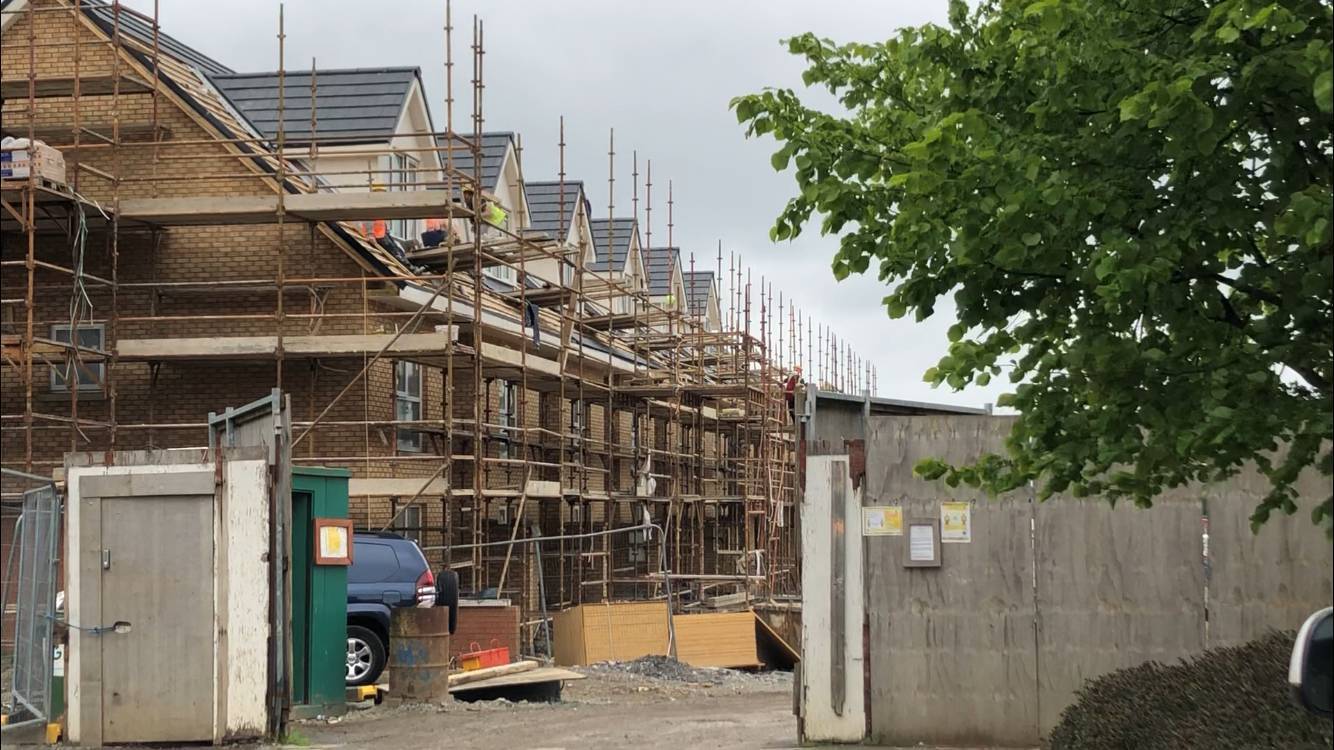
High rents for people to live further from urban centres and, thus, handle longer commutes, the ESRI has found. File Picture: PA
Higher rents in urban areas are unsurprisingly linked to longer commutes, but the Covid-19 pandemic may weaken that link if the shift towards remote working is sustained.
That is the conclusion of Economic and Social Research Institute (ESRI) researchers, who analysed the correlation of commuting flows in Ireland and paying more to live in cities and towns.
Achim Ahrens and Seán Lyons found that a 10% rise in rents in Ireland’s employment centres is associated with more than half a minute rise in one-way daily average commuting times across the whole country.
The results of the research are consistent with the idea that high housing costs tend to push those working in urban areas into commuting greater distances, they said.
"The association seems relatively small, but this may reflect a slow response by commuters to changes in housing costs. In effect, there may be time lags in the decisions people make about where to live and work. The association also proved to be somewhat stronger in Dublin than in the rest of the country," the researchers said.
Today, the ESRI publishes a research bulletin that measures the association between urban rents and commuting times. It finds high housing costs tend to push those working in urban areas into commuting greater distances. Read the publication here: https://t.co/qEvtcsKRit pic.twitter.com/TjsSRnGy3u
— Economic and Social Research Institute (ESRI) (@ESRIDublin) September 10, 2020
However, the link between urban rents and commuting distances may also be weakened if there is a sustained shift towards remote working in the future, they added.
Better broadband and technological coverage in areas that have historically been lacking could impact commuting times for workers, they said, coupled with more employers embracing working from home.
"This could happen, for example, due to the widening availability of high-speed broadband in less well-served areas or if technological developments, employer acceptance, worker preferences and public policy incentives are boosted by experience gained during the Covid-19 pandemic," researchers said.

CONNECT WITH US TODAY



Be the first to know the latest news and updates