'Covid-19 may lead to a rise in maternal stress and lower birth weights'
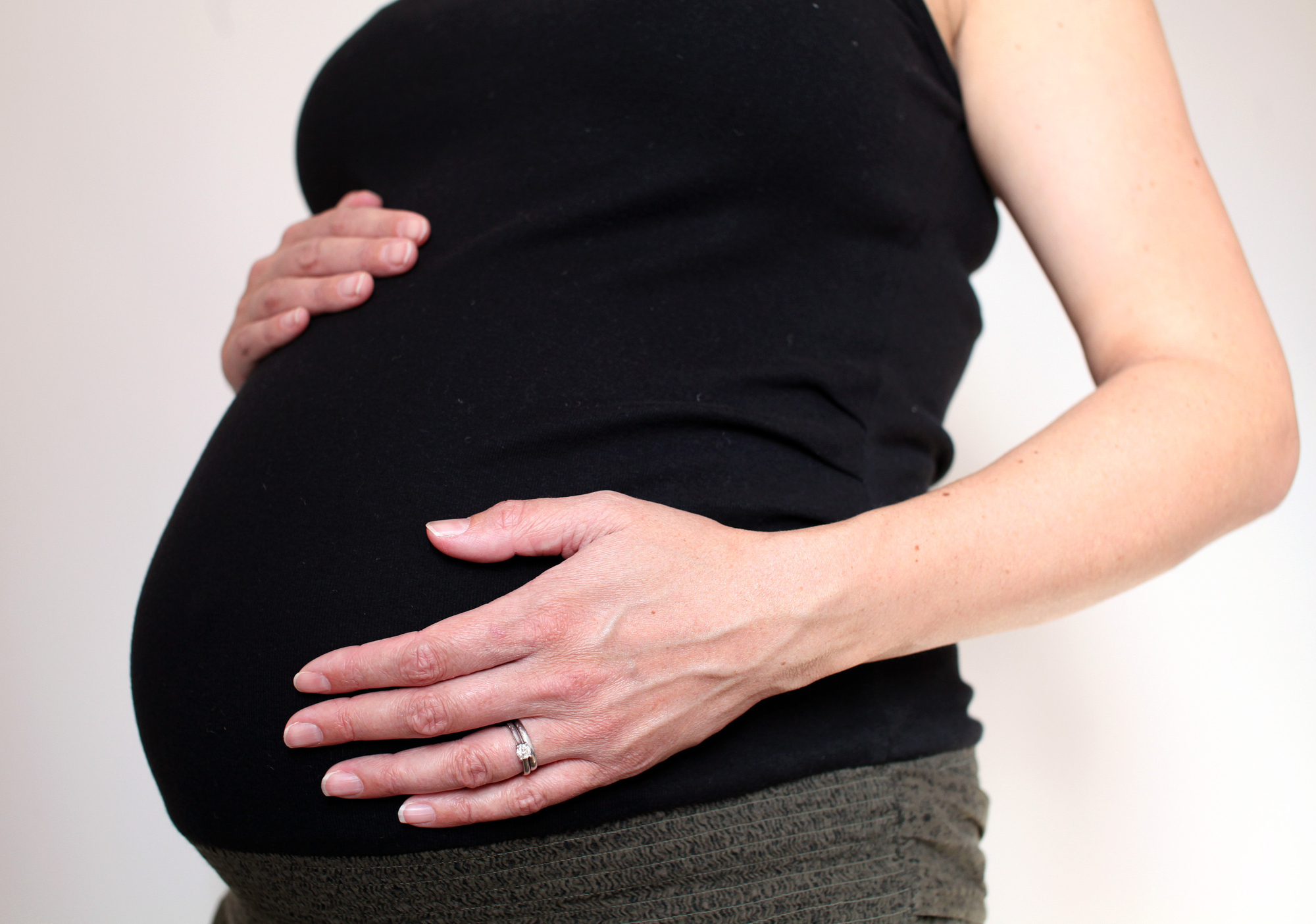
The fallout from the coronavirus pandemic could lead to a rise in maternal emotional stress and smaller babies, an academic has predicted.
Professor Barry Bogin, emeritus professor of biological anthropology at Loughborough University in Britain, said he wants to raise awareness of the likelihood of the issue so that social, economic, and emotional support can be made available as early as possible.
He reviewed previous biocultural studies to predict how Covid-19 could impact the birth weight of the next generation.
He and Dr Carlos Varea, of Madrid Autonomous University, previously looked at changes in birth weight related to the 2008 financial crisis in Spain and used these findings to consider the possible consequences of this pandemic.
In a piece for the , they say: "it will take two or more generations to assess the biocultural consequences of the Covid-19 crisis on people — from fetuses to the aged".
They say that "one may hypothesise that for the immediate future there will be a global rise in maternal emotional stress and a decline in birth weight".
They state that chronic stress — defined as insecurity related to money, housing, social support, and worry about job loss, loss of benefits, loss of a partner or loss of housing — can lead to a variety of different biological changes in the body.
They explored a link between maternal stress and birth weight by reviewing eight cohort studies with more than 8,200 pregnant women and more than 1m children, and found "there was a statistically significant association between antenatal stress exposure and increasing rates of low birth weight".
They also say that the "fundamental message from this review is maternal stress lowers birth weight".
🤰😫‼️
— Loughborough University PR (@LboroPR) August 14, 2020
Emotional stress caused by COVID-19 will lead to smaller babies being born, predicts @LboroSSEHS's Prof Barry Bogin.
He reviews numerous biocultural studies and shares his hypothesis in a @HumBioAssoc piece co-authored with @UAM_Madrid's Dr Varea: https://t.co/TLJJud3x7P pic.twitter.com/Q8N9eC5A4z
The scientists said their Spanish study had reported a decline in birth weight across "virtually all maternal social-economic groups in Spain in the years leading up to, and especially during, the financial crisis".
They say: "Our findings are supported by studies reporting reduced birth weight in Portugal, Iceland, Japan, and Greece during the 2008 banking system crisis, which was a global financial pandemic."
Prof. Bogin says he hoped to raise awareness of the "likelihood of lower birth weight infants so that governments and public health workers can address the issue at the earliest possible time and with the best available resources".
He says: "Governments and their public health workers need to assure that social, economic, and emotional support are available — to everyone."

CONNECT WITH US TODAY



Be the first to know the latest news and updates