Children waiting an average of 19 months for special needs assessments
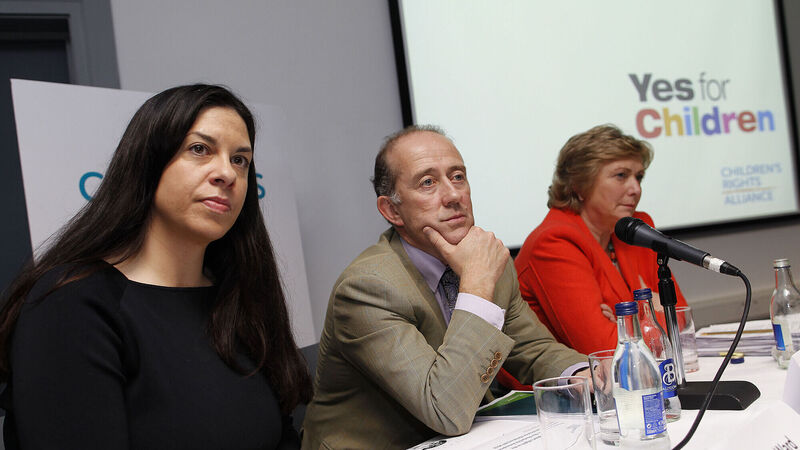
Childrenâs Rights Alliance chief executive Tanya Ward said the health service should be directing resources towards getting youngsters assessed within six months, as delays are detrimental to their development.
Delays in special needs assessments mean some children may not reach their full potential, a lobby group has warned.
More than 5,000 youngsters are having to wait longer than the law permits to have needs formally assessed before they can access public health services, the Childrenâs Rights Alliance said.
Health Service Executive figures released to RTE show that the average waiting time for an assessment is 19 months, despite a legal requirement for the assessment to be completed within six.
Early intervention is crucial for ensuring the best outcomes for children with disabilities- and saves the state money. Waiting lists for assessments of need for children must be resolved urgently. @DonnellyStephen @rodericogorman @ChildRightsIRL @morningireland @GarNob https://t.co/YLtZHWBFka
— DFI (@DisabilityFed) July 30, 2020
Childrenâs Rights Alliance chief executive Tanya Ward said the health service should be directing resources towards getting youngsters assessed within six months, as delays are detrimental to their development.
âChildren have a right to an assessment within a six-month timeframe and that should only be longer in very exceptional circumstances.
âThese are cases where they are not exceptional circumstances and children are waiting up to three or four years. That is a concern to us,â she told RTE radio.
@Tanya_Ward, CEO of Children's Rights Alliance - "Do we have enough manpower to manage those kind of resources and are we directing the resources towards reducing things like waiting lists,towards assessments for children and young people?" #AssessmentOfNeed #delay #children
— Morning Ireland (@morningireland) July 30, 2020
âA three- or four-year period can be a lifetime. It means that if that child misses out on an assessment, they miss out on those services being unlocked, and it can result in them being very unhappy and not developing.
âSometimes they miss out on hours at school because the school canât cope with them because they are not getting the resources they need.â
Ms Ward added that the delays can lead to families reaching âbreaking pointâ.
âIt is a huge concern for these children that they wonât reach their full potential,â she said.