Intoxicated’ prison officer refused entry to inspector
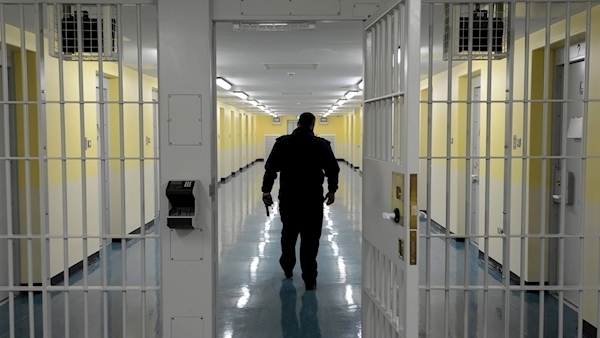
The State’s prison watchdog was refused entry to a jail by an officer who appeared to be drunk, it has emerged.

Intoxicated’ prison officer refused entry to inspector

The State’s prison watchdog was refused entry to a jail by an officer who appeared to be drunk, it has emerged. The staff member had a “strong smell of alcohol” and had difficulty reading her ID badge, states the inspector’s annual report.

The Inspector of Prisons, Patricia Gilheaney, initiated “familiarisation visits” of prisons after being appointed in May 2018. Her 2019 annual report notes the “professionalism and dedication” of staff during her visits.

But it states: “Unfortunately, this was not universal. It was disappointing on one of the early visits, to come across an officer who refused the Inspector entry into a prison.

He appeared to be intoxicated, ie strong smell of alcohol and difficulty in reading the inspector’s photo identification card.

The report says that prison management was “immediately verbally notified” and a report submitted. The Irish Prison Service said: “This incident was addressed internally by prison management under the prison officer code of discipline and the appropriate action taken.”

In a foreword, Ms Gilheaney says while regular prison inspections are a statutory requirement, only one inspection report had been published since 2014 due to “insufficient human and fiscal resources”.

The report says the “exponential growth” in gangs in the country was amplified in prisons and that the inspector witnessed first-hand the difficulties in separating rival gangs and factions. It says membership or allegiance to the gangs “fluctuate on a continuous basis”.

The report says use of restricted regimes — with some inmates locked up for more than 22 hours a day — was of “particular concern” and that the re-emergence of overcrowding since 2018 was a “significant issue”.

It raises “serious concern” at the drugs and mobile phone trade and says prisoners, their families, and friends can be bullied and intimidated into smuggling.

“Prisoners selling illicit drugs and mobile phones can amass significant wealth whilst in prison and place the prisoner who is buying the contraband in significant debt,” it states.

The report raises further concerns on mental health issues. It says there were 16 deaths in custody over 2018 and a further seven while on temporary release from prison.

More in this section

Lunchtime News

Newsletter

Keep up with stories of the day with our lunchtime news wrap and important breaking news alerts.

Cookie Policy Privacy Policy Brand Safety FAQ Help Contact Us Terms and Conditions

© Examiner Echo Group Limited