UN treaty to oblige locating remains of homes
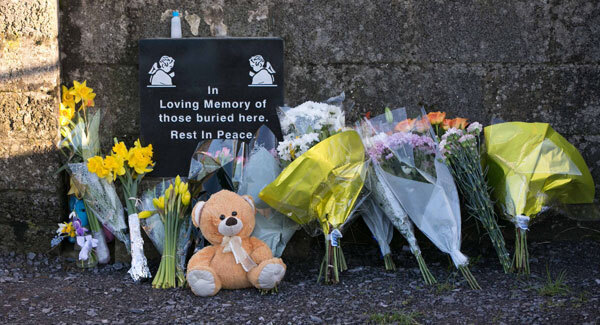
The Government will have to locate the remains of thousands of children who died in Ireland’s mother and baby home system when it ratifies the UN Convention on Enforced Disappearance (CED).

UN treaty to oblige locating remains of homes

The Government will have to locate the remains of thousands of children who died in Ireland’s mother and baby home system when it ratifies the UN Convention on Enforced Disappearance (CED).

This provides a template for countries dealing with enforced disappearances and obliges them to uncover the truth and provide justice and reparation to victims’ families.


The Government has signed but not ratified the CED, meaning it has signalled its intent to comply with the treaty but is not yet legally bound by it.

Marking International Day of the Disappeared today, the Irish Council for Civil Liberties (ICCL) has reiterated its call for the Government to ratify the CED and to appropriately address the potential enforced disappearance of hundreds, if not thousands, of children from mother and baby homes and the ongoing legacy of harm.

In particular, it pointed to the failure of the Mother and Baby Homes Commission to locate the burial location of some 836 children known to have died in the care of the religious order that ran the Bessborough home in Cork.

The ICCL said: “In its failure to implement this treaty, the Government is missing an opportunity to follow international best practice in dealing with these gravest of human rights violations. Most worryingly, in continuing to pursue a policy of secrecy and even censorship of survivors, Ireland risks failing to ever bring the perpetrators of these rights violations to justice.

If it ratified CED, the State would be obliged to locate the remains of the 836 children who are missing from the Bessborough mother and baby home.

“It would also be obliged to prevent the withholding of information and to impose sanctions on those who have information and do not share it.”

In its fifth interim report published in April, the commission was scathing in its criticism of the order that ran the institution — the Sisters of the Sacred Hearts of Jesus and Mary — stating that the affidavit it supplied on burial arrangements was “in many respects, speculative, inaccurate, and misleading”.

“The commission finds it very difficult to understand that no member of the congregation was able to say where the children who died in Bessborough are buried,” stated the report.

The ICCL said that, if the Government had ratified the CED, it would have required the commission to be given the necessary powers and resources to conduct the investigation effectively.

“Through its continuing failure to compel witnesses to give evidence to processes of investigation, the State is helping to hide the truth and ensuring families of the disappeared remain in the dark,” it said. “If it ratified CED, the State would also be obliged to hold the perpetrators of these human rights violations criminally accountable.

ICCL is concerned that the Government’s current strategy of investigation is hindering future access to evidence, and thereby preventing prosecutions, by prioritising secrecy over transparency.

The organisation also expressed concern that the Retention of Records Bill, which is currently passing through the Oireachtas, could be used as a precedent to seal all evidence given the ongoing Mother and Baby Homes Commission for 75 years.

It said this is “particularly worrying”, given that An Garda Síochána could not carry out prosecutions stemming from the Ryan report because of the commission’s similar terms of reference.

More in this section

Lunchtime News

Newsletter

Keep up with stories of the day with our lunchtime news wrap and important breaking news alerts.

Cookie Policy Privacy Policy Brand Safety FAQ Help Contact Us Terms and Conditions

© Examiner Echo Group Limited