One in seven primary school children have high blood pressure

One in seven Irish primary school children have high blood pressure, according to a study. However, a pioneering new school diet and exercise programme has been found to significantly lower blood pressure rates in Irish primary school children.
Project Spraoi which was run in a Cork school for two years also significantly improved the waist-to-height ratio â which has been shown to be better predictors of heart disease than BMI â of the children. This study said early intervention is critical as blood pressure and waist-to-height ratio are linked to serious health issues later in life such as heart disease and obesity.
When the children were initially tested 23% or nearly a quarter of the six-year-olds and 10-year-olds had high-normal blood pressure â which is above average for their age and gender - and 14% had high blood pressure. Alison Merrotsy, from the Department of Sport, Leisure, and Childhood Studies in Cork Institute of Technology, said it is the first study of its type in Ireland.
âYou wouldnât expect children to have high blood at all,â said Dr Merrotsy. âIt is cause for concern.
âA good percentage of children did have high blood pressure, which is linked to poor diet and poor physical activity levels and high overweight and obesity levels.
They are all very much intertwined. The reduction in blood pressure after the intervention was a very positive finding. Blood pressure in childhood predicts hypertension and metabolic syndrome, which increases the risk of heart disease, stroke and type 2 diabetes, later in life.
The research called Project Spraoi, which has just been published in the Public Health Nutrition Journal, was a two-year study on the effect of a school-based nutrition and physical activity classes.
All the students in the Cork primary school running Project Spraoi took part in physical activity and nutrition classes but only just over 100 six-year olds and 10-year olds were assessed.
They were taught maxims such as water is the best drink, to increase fruit and veg, the importance of breakfast and healthy choices. Every class also took part in vigorous daily exercise in class for 20 minutes.
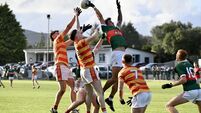
âIt was all about getting every child in the class moving for 20 minutes to get their cardiorespiratory fitness increasing. We called it huff and puffâ, said Dr Merrotsy, who was the energizer in the school. âIt involved things like tag games, circuit classes, aerobics, a little bit of gymnastics.â
Dr Merrotsy said she would like to see this programme rolled out to schools across the country in the future.
She said: âWeâre hoping to start locally and get it rolled out to schools in Cork and the long-term goal would be to roll it out nationwide but getting the funding is the tricky part.â
One in seven Irish primary school children have high blood pressure, according to a study.