Detectives don't believe contaminated horse meat was sold in Ireland
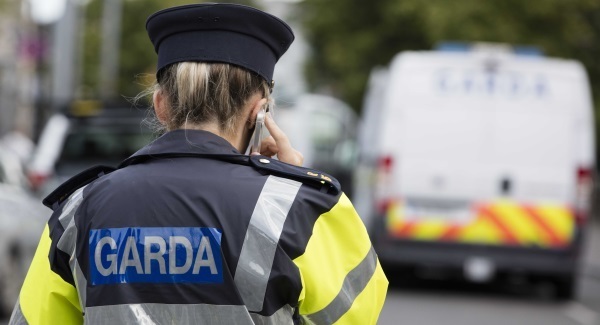
Detectives involved in raiding seven premises connected with the suspected sale of contaminated horse meat say that they do not believe that any contaminated meat has been sold in Ireland.
A multi-agency operation took place today at seven premises in five counties. These included a house, farms and a commercial premises linked to the food industry.
The operation was carried out by officials from the National Bureau of Criminal Investigation (NBCI), the Department of Agriculture, Food and the Marine (DAFM) and the Food Safety Authority of Ireland (FSAI).
Planned searches were carried out at locations in Roscommon, Leitrim, Sligo, Westmeath and Kilkenny with officials investigating if meat from horses that should not have been processed for consumption had been. The searches focused on the information-gathering stage of the operation and were connected to the potential tampering of identification passports and microchips of horses presented for slaughter.
All horses have passports and are micro-chipped as part of a traceability system to ensure that all animals can be tracked and to avoid the prospect of contaminated meat entering the food chain.
Detectives suspect that these passports and microchips may be subject to tampering and that, as a result, meat from horses that may have been injected with hormones or medicines may have been processed and exported to Europe. They do not believe that any potentially contaminated meat has been sold in Ireland.
Horses - usually sick or old animals - which have been injected with hormones or medicines are deemed unfit for human consumption and is required to be destroyed.
Gardaí are investigating whether the individuals involved are complicit in the sale of contaminated meat or whether they have been duped into purchasing it. While horse meat is not widely consumed in Ireland, there is a large international market for horse meat exported from Ireland.
Farms, houses and a commercial premises were searched, according to a garda spokesperson.
"The searches are part of an ongoing investigation being conducted by members of The Garda National Bureau of Criminal Investigation into offences of deception pursuant to Section 6 of the Criminal Justice (Theft and Fraud) Offences Act, 2001 surrounding fraudulent practices regarding tampering of identification passports and microchips of horses presented for slaughter in this jurisdiction."
A spokesman for the Department of Agriculture, Food and the Marine (DAFM) said that the onus of compliance with EU food safety regulations "rests in the first instance with food business operators".
He said: "No equines can be slaughtered unless there is a record of it on the central equine database. When an equine is presented for slaughter, the system is checked to ensure that the database records the animal as being eligible for the food chain. Where this is not the case or where the information on the database differs from the passport in that regard, the equine is excluded from the food chain and cannot be slaughtered."
No arrests were made as part of the searches.