CUH criticised for re-opening a ward affected by a superbug outbreak
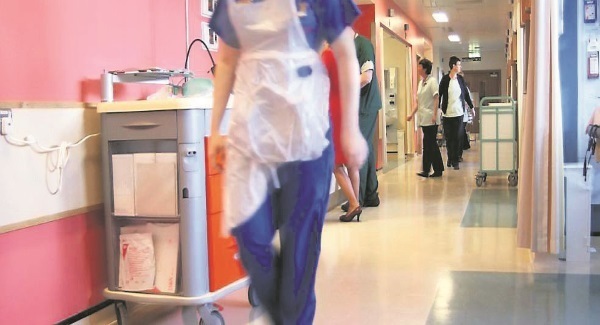
A ward at Cork University Hospital (CUH) affected by an outbreak of a deadly superbug was re-opened to admissions against the advice of the infection control team.
The high risk action is one of a series of shortcomings highlighted in a report by the health watchdog following an unannounced inspection last November.
The hospital was also criticised for placing three patients with CPE in a room without a toilet, shower or hand hygiene facilities.
Carbapenemase-Producing Enterobacteriales (CPE) is the newest in a long line of 'superbugsâ and is the most difficult to kill with antibiotics.

An outbreak at CUH was reported in July 2018.
On the day of inspection, November 7, there were seven inpatients with confirmed CPE colonisation and a further 15 CPE contacts.
A CPE outbreak had been declared on ward 1B, a 35-bed medical ward, on 20 October 2018.
Inspectors from the Health Information and Quality Authority were initially informed by senior management that all inpatients known to be colonised with CPE were confined to ward 1B.
However during the course of the inspection, they were subsequently informed that the seven patients colonised with CPE were located across four different wards.
Inspectors said the findings from the inspection âraised significant concerns for HIQA around the overall approach taken at Cork University Hospital to effectively manage risks to patients from infection and antimicrobial resistanceâ.
HIQA said âmore needs to be done locally by the hospital to effectively address the high risks identified during this inspectionâ.
HIQA wrote to Tony McNamara, the CEO of CUH, saying a number of âhigh risksâ were identified in relation to management of the CPE outbreak.
It also said the hospital was failing to comply with a HSE guideline on screening for CPE, while acknowledging that staffing within infection control was ânotably below operational normsâ.
Mr McNamara defended the decision to re-open the outbreak ward saying âit became necessaryâ as âoccupancy reduced below 50%â. He said âthis was required as a balance of clinical prioritiesâ.
He said patients placed in a room with inadequate toilet facilities would be relocated. Mr McNamara also outlined efforts to improve staffing.