Special education teaching posts face cuts
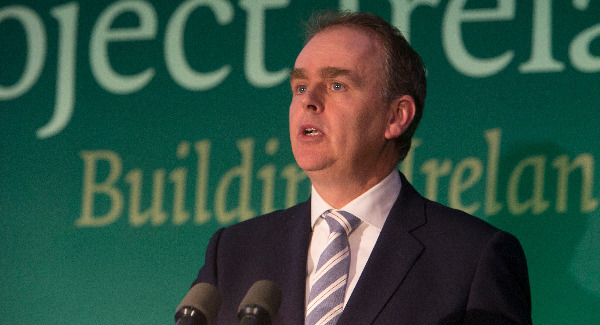
Hundreds of schools could lose special education teachers next year because the Government has not allowed for any increase in their overall numbers despite rising enrolments.
Education Minister Joe McHugh has been told by top officials in his department that there will be difficulties when it comes to assigning staffing allocations for special education next year.
A new allocation system was introduced last year, under which every school was given an overall entitlement of special teachers based on a combination of factors. These included pupil numbers, children with complex needs, scores in standardised tests, gender mix, and disadvantaged status.
This replaced the problematic system under which children with more common learning difficulties were catered for from within a general allocation, but those with disabilities or more complex educational needs required a professional assessment for their school to qet extra teaching hours to support them.
The new system was supported by increasing the number of special teachers by 900 in 2017 and by a further 100 this year, but no increase is planned for next year. The number of special education teachers in mainstream schools has risen by 37% since 2011 to over 13,300 at the same time that school enrolments climbed about 10% to over 950,000.
Schools were guaranteed no cut to their allocation of special education teachers for the first two years of the new system, but that will end next summer. The Department of Education is now using updated school information to revise the allocations for next autumn, with plans to advise schools in spring, the minister was told in a briefing document when he took office two months ago.
“Review of the allocations will be challenging as there was no demographic provision made for special education teaching posts for 2019,” officials wrote.
This means that, unlike the annual increases in mainstream teachers to keep pace with growing enrolments in the country’s 4,000 schools and to avoid higher pupil-teacher ratios, children with special educational needs must be catered for with proportionately fewer hours.
The Department of Education document said the absence of increased provision of special teachers means demand for new and rapidly-developing schools, and appeals in exceptional circumstances, will have to be met from existing resources.
“This will require schools with a retained element to their allocation [i.e., an allocation retained on introduction of the new model but which is above what the new allocation model would indicate is their profiled need] having their allocation adjusted in order to apply those resources to schools with resources below their profiled need,” the minister was told.
Pupil numbers in primary schools have reached an expected peak of almost 570,000 this year, the highest for more than 30 years but may begin to fall from 2019 onward. However, second-level enrolments look set to rise by nearly 14,000 to more than 377,000 in the next two years, and to a record high of 402,000 in 2024.
When the new model was introduced, schools were told any future adjustments to their special teacher allocations would be made “on a graduated basis”. This would take account, they were told, of changes to enrolments, including the numbers of pupils with complex needs, since they were given their initial allocation in September 2017.

CONNECT WITH US TODAY



Be the first to know the latest news and updates