Extension of Cork’s bike-sharing scheme being 'actively explored'
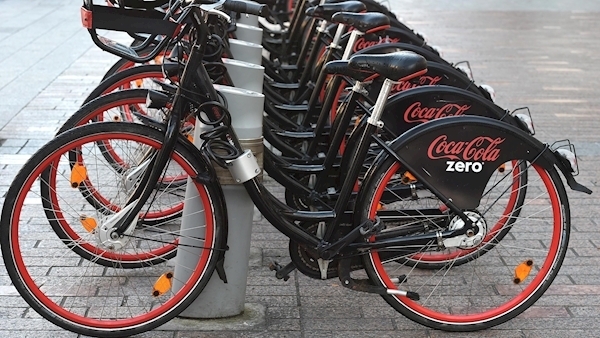
An extension of Cork’s popular bike-sharing scheme is being “actively explored” it emerged tonight as transport experts called for its payment system to be integrated into the Leap Card system.
The National Transport Authority (NTA), which presented a bike to John Lehane to mark him making the millionth journey on the Coke Zero bikes, said while it is still working on a major transport strategy for Metropolitan Cork, an expansion of the bike-sharing scheme is “being actively explored with the city council”.
The transport strategy is expected to focus heavily on cycling and rapid bus corridors. Usage of the Cork bikes far surpasses the total use of the Limerick and Galway schemes combined.
Later, transport experts told a seminar on the city's future transport needs that integration of the bike share payment system under a universal system covering bus, rail, bike and car share systems could transform modal shift.
A light rail extension from the city’s Kent train station into the heart of the city centre and an east-west rapid bus system should also be part of the city's transport plan, they told the seminar, hosted by Engineers Ireland, the Ireland branch of the Chartered Institution of Highways and Transportation and the Irish Planning Institute.
Stephan Koch, UCC’s commuter plan manager, said that while great strides have been made city-wide, more must be done to integrate sustainable travel modes to ensure seamless multi-modal travel: “Better integration of ticketing, information, and facilities or infrastructure holds the potential to lift multi-modal travel chains to a new level of quality. This would enable another major shift to using alternative modes and reduce the still dominating reliance on the private car in and around the city.”
Installing bike share stations at the end of high-demand bus transport corridors could also help encourage more people to mix their mode, he said.
Transport planner, Kevin Burke, who worked as a local authority transport planner in London, said Cork has embraced the low-cost ‘tactical urbanism’ approach of implementing temporary street trials - as has been done successfully in New York, the Netherlands and Arhaus - to create more livable neighbourhoods.
He said recent initiatives on Douglas St, Kyle St, and the Sunday closure of the Marina are perfect examples of how tactical urbanism can secure “public buy-in” for projects.
“A bottom-up approach to transport measures is needed. If people get the idea, they are more likely to buy into it and problems can be ironed out,” he said.
Paul McGuirk, city centre coordinator with Cork City Council and Lorcan Griffin, acting senior executive planner, also addressed the seminar.