Cork City council ‘complicit in traders’ inability to pay rates’
Cork City Council is “complicit” in businesses not being able to pay their rates as a result of the daily afternoon car ban.
That was the argument put forward by one businesswoman who was among a number of traders in court yesterday for rates arrears —some as much as €74,000 — and she blamed the car ban on the city’s main street as “the last straw”.
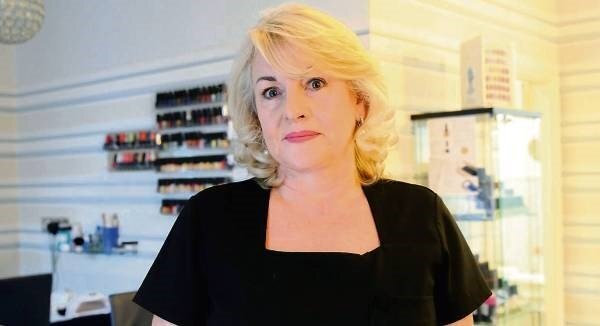
Susan Ryan, a respected beauty therapist and beauty educator who runs a salon on South Main St, told Judge Con O’Leary yesterday that the council, which reintroduced time-regulated bus lanes on St Patrick’s St on August 9, is “complicit” in her inability to pay.
“The pressure they are putting on small businesses like me is unacceptable. They need to listen.”
Her comments come amid reports that up to 50 city traders are poised to set up a new business group in frustration over the impact of the daily 3pm to 6.30pm car ban on the city’s main street.
Ms Ryan said her trade is virtually nonexistent from 3pm and said she felt compelled to speak out for other small, independent traders.
Judge O’Leary heard several arrears cases throughout the day, with amounts ranging from €1,000 to €74,000. He was told
that
Ms Ryan was issued with a summons for €9,747.40 earlier this year and has previous decrees for just over €26,000 in arrears.
She told the judge she did not dispute the amounts and is not ignoring the issue. “I did commit to pay it off, and I am paying €500 a month. But I can’t magic it out of thin air. We came through the tough times, but they put bike lanes outside my premises, and now the car ban on St Patrick’s St,” she said.
“I am in business for 38 years. I have five people working full-time for me. They have mortgages.
“But I have zero business from 2pm or 3pm. I do believe that the city council is complicit in my inability to pay.”
Judge O’Leary said he couldn’t discuss how the city is being run and asked Ms Ryan if she had contacted public representatives.
“You have to twist their arm,” he said, before adjourning her case until February.
Speaking afterwards, an emotional Ms Ryan said self-employed traders like her are “very proud, very self-reliant, and just get on with it”.
“But the city council depends on us shutting up and saying nothing. I’m hoping that if I speak out, others will pop their heads up,” she said.
Ms Ryan has been in the beauty business since 1981, and has run her disabled-friendly salon on South Main St for the last 18 years.
She said her priority during the downturn was to pay PAYE, Vat, USC, rent, and service charges and her business survived, despite no rates reduction. She said she was laughed at when she asked City Hall for a reduction.
“So I knuckled down and did the best I could. I just got on top of the bill when the council moved the goalposts and restricted traffic into the city. The final nail was when the council restricted cars through the city,” she said.
“Many of my clients are old and infirm so those trying to get to me from the edges of the city are finding it almost impossible to get to me. These clients depend on a driver who has nowhere to stop and wait. My business has been reduced by at least a third. I actually could close at 3.30pm any afternoon.
“I’ve done all things right, honest, and to the best of my ability. I’ve had a business in Cork city since 1981, starting with one room without any help or funding from the council and built it to what it is now. I can do no more than I’m doing. I’m almost 60, I love my work, dependent on nobody, contribute a huge amount to the economy, have staff with mortgages, and I’m the one in court.”
The council has said that summons are only issued if, after exploring a number of avenues, the business owner is still not paying their arrears.
Council figures show footfall on St Patrick’s St has remained steady since August. Bus Éireann said passenger journeys in Cork were up 8% last month compared to October 2017, and that it has seen improvements in trip times and average speeds for bus services operating through St Patrick’s St.
Commercial rates account for just over 40% of the council’s income. The 2019 rate will be set next Thursday. The rate was increased by 1.25% in 2016, the first increase in eight years.
The car ban is expected to be discussed at Monday’s city council meeting.