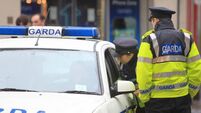
Strong opposition to any ban on photographing gardaí
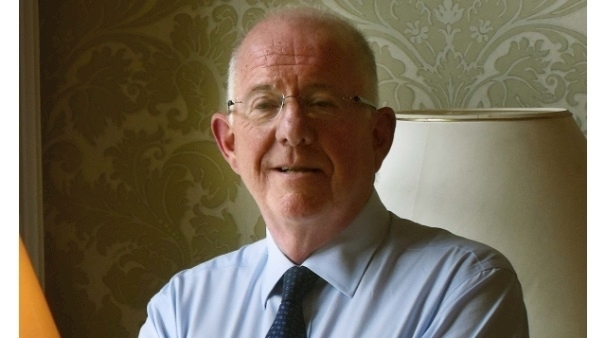
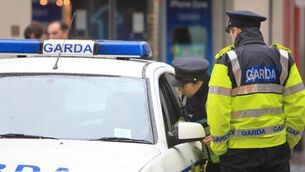
Justice Minister Charlie Flanagan has sparked a strong reaction after he appeared to indicate a level of support for proposals to ban the photographing of gardaí performing their duties.
The National Union of Journalists, the Irish Council for Civil Liberties, and Labour leader Brendan Howlin said they strongly opposed any suggestion.
Mr Flanagan later tweeted to clarify his position and a statement from his department said that while he would be prepared to “look” at such a proposal, he did not mention “any specific plans” in relation to it.
Mr Flanagan appeared to indicate earlier on the Today with Sean O’Rourke show on RTÉ he would be in favour of proposals from a Garda staff association making it an offence to photograph gardaí on duty. Pressed on whether he would consider bringing such legislative proposals, he said: “Yes, I think it is something that can be favourably looked at.”
He added he was about to be briefed by the Policing Commission head on its report, published today, which was examining Garda welfare, and he would “prefer to adopt her recommendations”.
Mr Flanagan subsequently issued three tweets, saying he was concerned at gardaí “having multiple mobile phones in their faces” as they try and do their job.
1/3 Today I was asked if it should be illegal to photograph Gardaí carrying out their duties. To clarify: I believe transparency is vitally important; I’m on record as favouring Garda body cameras. I also greatly value the role of the media in providing objective reporting.
— Charlie Flanagan (@CharlieFlanagan) September 17, 2018
3/3 This is regrettably not always the case where public order issues arise. The uploading of images of of Gardaí undertaking their duties on social media and consequent threats and intimidation is totally unacceptable to me and that why I am concerned.
— Charlie Flanagan (@CharlieFlanagan) September 17, 2018
“In my experience, press photographers are professional and do not impede Garda work,” he said. “This is regrettably not always the case where public order issues arise. The uploading of images of gardaí undertaking their duties on social media and consequent threats and intimidation is totally unacceptable and that’s why I am concerned.”
However, Mr Howlin said: “In a free society people, have an entitlement to take pictures of any public servant. I think we have to protect public servants in their duty and prosecute people who threaten [them] but the notion normal civil liberties would be curtailed in that way would be something that the Labour party would not support.
The ICCL said that while any criminal harassment or intimidation of gardaí was “unacceptable”, such a ban would be “wholly disproportionate”. It said a blanket ban on freedom of expression would “criminalise” ordinary people.
The NUJ expressed “grave concern”, saying a ban would be an “infringement on the fundamental rights exercised by the media”.
A later statement from the Department of Justice said that, in his interview on RTÉ, the minister “indicated he would be prepared to look at such a proposal” in relation to banning photographing gardaí on duty.
However, the statement added: “At no point did the minister make any reference to any specific plans with regard to photography.”
CONNECT WITH US TODAY



Be the first to know the latest news and updates