Referendum counts underway as low turnout reported
[comment] [/comment]
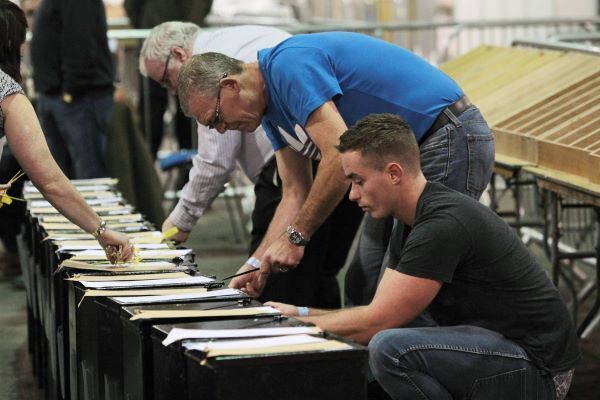
Counting of votes has begun this morning in the referendum on whether to abolish the Seanad.
Ballot boxes were opend and tallying got underway at 9am, with results expected around mid afternoon.
And so it begins...count underway in RDS... #seanadref pic.twitter.com/3nJtlcPANu
— lisehand.bsky.social 🦩 (@liseinthecity) October 5, 2013
It is estimated well below 40% of the 3.1 million-strong electorate turned out to cast their votes.
Latest opinion polls suggest a majority of voters will back Taoiseach Enda Kenny’s call to get rid of the country's upper house of parliament in a historic move that would hand power exclusively to the Dáil.
A poll in the Irish Times on Monday put the Yes vote – in favour of abolition - at 62%, with 38% backing the retention of the upper house, after excluding those who were undecided.
But more than a fifth of the electorate were still undecided at the start of the week, while another 8% said they did not intend to go to the ballot box.

[comment] [/comment]
Turnout in yesterday's referendums varied between the low 20% figures in some areas to a reported 50% in Kenmare.
In other areas, such as Sligo, parts of Wicklow, south Dublin, and Kerry, turnout was reported to have hit 40%.
These figures, and unusually average returns from traditionally apathetic areas in Donegal, are likely to see the percentage turnout avoid hitting a new low.
It may even stay above the 30% mark.
Currently, the worst turnout occurred in 1978 when 28.6% of the electorate voted to extend the franchise in Seanad elections.
Voter confusion, especially amongst elderly voters, was reported at a number of polling stations.
The Referendum Commission said it had a number of phone calls “regarding confusion and people voicing their concerns”.

[comment] [/comment]
The country’s last referendum on children’s rights, held in late 2012, saw a turnout of just 33%.
The Taoiseach has claimed abolition of the Seanad would create a leaner, more effective and more accountable system.
Opponents led by Fianna Fáil, say the Seanad is necessary to serve as a Government watchdog and to hold the ruling Cabinet ministers to account.

[comment] [/comment]
Voters have also been asked whether the state should set up a Court of Appeal.
Fine Gael, Labour, Fianna Fail and Sinn Fein have all called for Yes vote, which could see more basic appeals from the High Court go to the Court of Appeal instead of the Supreme Court.

[comment] [/comment]