Barron defends criticism of government
Justice Henry Barron today defended his criticism of the way the government handled the 1974 Dublin and Monaghan bombings, which killed 34 people.
He stuck firmly to his conclusion that the government of the day had lacked concern about the bombings and had not investigated the atrocities as fully as it could have done.
He told the Parliamentary Justice Committee, which is considering his report into the bombings, delivered in December, that his conclusions were based solely on the evidence presented to him during the inquiry.
Certain pieces of information and intelligence from 1974 were not available to him because they had not been properly filtered down through the correct channels, he said.
“One of the matters which we were never able to get a full view on was whether there was a policy that gardai could not go north to question suspects,” he said.
“If they did so they would have had to allow the RUC to come down to the state to question other suspects,” he said.
“The inquiry takes the view that the politicians of the day ought to have realised this situation.
“We felt that more could have been done.”
He said that he believed the government had been given certain information at the time but not shown any interest in it.
Taking questions from the committee, Justice Barron also reiterated his regrets that some of the most important intelligence and security files were missing from the report.
“We know that photographs of people thought to be suspects were obtained and lost so we had no way of finding out their names and this was a problem,” he said.
The judge said he believed there had been some “misconceptions” about the report in terms of its findings on collusion.
He stressed that while it indicates that there was a high level of collusion in Northern Ireland at the time, the report was only concerned with whether there was any proof of collusion in relation to the bombings.
Justice Barron said the report was based only on what he could “stand over”.
He insisted that his role before the committee was simply to explain any parts of the report which needed explaining.
However, he admitted that it may not have gone into everything it could have done and may not be as clear as it could have been.
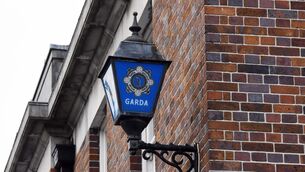
Justice Barron’s report, which was delivered in December, was critical of the government at the time of the bombings and of the original Garda investigation, but found no evidence of collusion at a senior level.
The report was criticised last week by former Taoiseach Garret Fitzgerald, who rejected Justice Barron’s findings about the government.
The Dublin bombs on May 17, 1974 killed 27 people in three streets, including a pregnant woman and her unborn child.
The Monaghan bomb on the same day killed seven people in what was the worst single day of violence in the 30 years of the Northern Ireland Troubles.