20 mph zones around North's schools for safety
The introduction of 20 mph speed zones around schools and in residential areas of Northern Ireland was announced today in a bid to help cut road deaths and serious injuries.
Ambitious 10-year targets seek to reduce deaths and injuries by a third and those of children by 50%.
Amongst a raft of measures to reduce accidents is the introduction of the advisory 20 mph zones coupled with traffic-calming measures.
The reduced limit will be recommended, but exceeding it will not result in penalty.
Announcing the road safety strategy Angela Smith, Northern Ireland junior minister with responsibility for the Department of Environment, said road safety was everyone’s responsibility.
Excessive speed, drink and drugs-affected driving, and failure to wear seat belts remained the main causes of road deaths, she said.
While British government, police and the voluntary sector had a role to play: “It is only with the support of the whole community that we can succeed in reducing further the heartbreaking and totally unacceptable number of casualties on our roads,” she said.
On a personal note she said friends of hers had lost their young son in a road accident. “It brings devastation to a family,” said the minister.
When it comes to reducing speed, the figures speak for themselves. Five in ten children struck by a vehicle travelling at 30 mph die. At 20 mph the number of deaths drop to one in ten.
Ms Smith said there had been a significant improvement in Northern Ireland’s road safety record over the past 20 years.
But it remained a major cause of concern that, on average, there were 13,000 road traffic casualties each year including 150 deaths and 1,600 serious injuries.
Police Service of Northern Ireland Assistant Chief Constable Duncan McCausland added: “The level of deaths and serious injuries on our roads continues to be the worst of the four regions of the United Kingdom.
“That is unacceptable to the police and to the public we serve.”
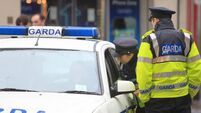
Despite competing demands on police resources, the PSNI was determined that road safety remained a priority, he said.
Measures aimed at achieving the reduced targets include:
:: The introduction of a safety camera scheme to combat excess speed and red light running.
:: Further traffic calming schemes and the introduction of the advisory 20 mph zones.
:: More enforcement by the PSNI using technology such as evidential roadside screening for drink and drugs, currently being developed.
:: Continued high profile education and publicity campaigns supplemented by the issue of fixed penalty notices to increase the wearing of seat belts.
:: A children’s traffic club for pre-school children.
:: A practical child pedestrian safety training scheme to supplement classroom theory teaching.
:: A new pedestrian road safety publicity campaign to be launched shortly.
CONNECT WITH US TODAY



Be the first to know the latest news and updates