'Policing vital to peace process' - NI chief
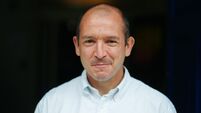
The new Chief Constable of the Police Service of Northern Ireland has pledged to take on the terrorists threatening the peace process.
Hugh Orde, who takes up the post in September, said it was vital to maintain an effective Special Branch to defeat those determined to destroy peace.
“We must recognise the reality of the security situation in Northern Ireland. From my previous experience, I know that we need to use intelligence to take on the terrorists and criminals and protect the communities they terrorise.
“Policing is vital to the peace process in Northern Ireland. If we get it right then we can make a more significant contribution to achieving a lasting peace than any other organisation,” he said.
His pledge, in his first major interview in this week’s PSNI magazine Callfirst, came as a civilian construction worker died after after a bomb attack at an army base, believed to have been carried out by dissident republicans.
David Caldwell, 51, died as he opened up a booby trap device at a temporary building at the Territorial Army’s Caw Camp in Londonderry.
Mr Orde repeated the view expressed at the time of his appointment that the role of Chief Constable was one of the most challenging jobs in policing.
He vowed that he would get out and about to meet his officers all over the province.
“You can’t make decisions by sitting in an ivory tower. I want to see the men and women as they are going out on their shifts. I want to talk to them in incident rooms and other areas where they work.”
A former Deputy Assistant Commissioner in the Metropolitan Police, Mr Orde, 43, had run the inquiry into allegations that security forces colluded with loyalist paramilitaries to murder Belfast lawyer Pat Finucane.
He was selected by the Northern Ireland Policing Board to replace Sir Ronnie Flanagan in May, beating off the challenge of two senior PSNI officers Alan McQuillan and Chris Albiston for the £130,000-a-year (€207,150) post.
Mr Orde said that he was determined to oversee the reforms outlined in the Patten Report on the future of policing.
But he added that he would not make changes in a “knee-jerk” fashion.
“Change is inevitable under Patten, which is not negotiable. I want to implement change in the most effective way possible, using all the knowledge that we have built up over many years of experience.”
He said the new PSNI recruits would be a vital key to the future. “They are helping to maintain the standard of policing and set standards for the future,” he added.
The new Chief Constable said he expected all parts of the service to play a major role in the success of the new service.
“I want the district commanders to be able to focus on their jobs. They will play a crucial part in the future. They will have the power and the responsibility to perform.”
He echoed the concern expressed by some unionist politicians about falling police numbers adding that he would turn his mind quickly to the future of the Full Time Reserve.