Plans for one year of paid parental leave

There is currently paid maternity leave of 26 weeks and paternity leave of two weeks.
Ms Doherty said that while the number of men taking up paternity leave entitlements has “fallen short” of what she would have liked, with 55% of fathers availing of it, she is confident this will increase.
“One of the criticisms of the scheme this year is that men usually, unfortunately, earn more money than women do, so the money that is being paid probably falls short of what men’s earnings are,” she said.
Statutory paternity leave entitlements were introduced for the first time in Ireland on September 1, 2016.
New fathers can take two weeks’ paternity leave in one continuous block any time in the 26 weeks following a baby’s birth or adoption. Paternity benefit is €235 a week.
Ms Doherty has indicated that she now wants to extend parental leave entitlements.
“Our ambition is to have one year’s paid parental and maternity leave, so paternity and maternity joined up for families, for both parents in the years to come and we are going to move towards that,” she told RTÉ’s Sean O’Rourke programme.
“I can’t afford to do that all in one go but we are going to move towards that and I think it will catch on.
“I am not suggesting we make it mandatory but I think as the scheme grows, fellows know how valuable it is to stay at home for the first couple of weeks equally as much as we do as women.”
She said a shared 12-month parental leave entitlement would “recognise the value of a mother’s and father’s input into their child’s life in the first 12 months because we get it back in dividends tenfold thereafter as the child grows up”.
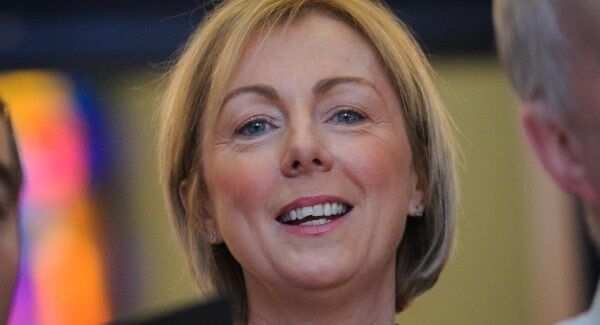
Separately, Ms Doherty confirmed she will bring a memo to Cabinet in the coming weeks with details of a new pension system which aims to increase the number of workers who are paying into pension schemes.
The Government has already decided to move to an automatic pension enrolment system which would see every worker automatically registered in a pension scheme. However, they would be given the choice to opt out of this.
“What we want to encourage is that of the 65% of people who are currently of working age who are not saving towards their future to try and help them and encourage them,” said Ms Doherty.
“But again there is this whole issue of people’s eyes glazing over when we start to talk about pensions and saving for the future, and when you are in your 20s and your 30s you think you have far more important things to do and to spend your money on.
“I want to do something that is so simple and incentivises people to put a few bob aside so that when you get to 66 that you will have more than the state pension to rely on. Very simply you will put a few bob into your pension fund, your employer will put a bob in, and the State will put a few bob in.”
While she said the exact details of this still have to be worked out she gave the example where for every €5 a worker put in, this would be matched by the employer and the State could pay approximately €1.50.
She said this new system would not be rolled out until 2021, with public consultation later this year. “The real reason for the delay to 2021 is because I need a very large IT system to be able to manage that because it will involve every single employer in the country.”

CONNECT WITH US TODAY



Be the first to know the latest news and updates