‘Inescapable conclusion’ that breath-test statistics were inflated by gardaí
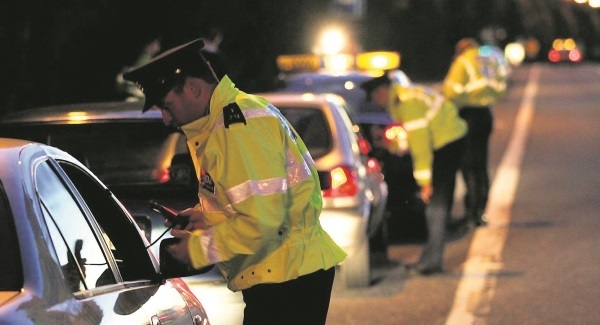
The report established that a total of 1,458,221 more breath tests were recorded on the Garda Pulse system than were actually carried out by testing devices.
The report said that, based on an analysis of a random sample, between 106,177 and 318,530 breath tests were “inflated” — corresponding to between 7% and 22% of the overall number of false breath tests.
The report, conducted by Assistant Commissioner Michael O’Sullivan, established that 3,498,400 breath tests were recorded on Pulse between June 2009 and April 2017 — but that only 2,040,179 breath tests were recorded on the Drager devices used.
The 100-page examination into Mandatory Alcohol Testing Checkpoints said this reflected a 71% overestimation of the real number of breath tests.
In addition to recording issues, Mr O’Sullivan said: “It is an inescapable conclusion that much of this statistical anomaly occurred as a result of inflation of PULSE data by members.”
He said an “environment” existed where the discrepancies identified were “allowed to happen without intervention”.
He said there was a combination of factors, including “deficiencies in technology and data controls, resources, supervision, policy and procedures and training”.
He said the failure to provide accurate data on this area “reflects poorly on the professionalism” of gardaí.
“That the evidence also suggests members of An Garda Síochána were also engaged in inflating this data, whether intentional or unintentional, is even more damaging to public confidence.”
He said the examination did not discover any behaviour that would merit criminal investigation, but said all incidents identified with inflated breath tests had been referred to regional commissioners for further examination/investigation as deemed necessary.
The report said 2,131 specific checkpoint incidents were identified with potentially 69,644 inflated breath tests. It said the examination team was made aware of three incidents which alleged gardaí were falsifying breath test data, two of which were subject to due process.
The Garda report found massive differences in the level of over-recording between divisions.
The rates varied from 18% over in Wexford to as high as 385% over in Tipperary — divisions that are within the same South Eastern Region (average +142%, the highest of all regions). Likewise, in Dublin (average +47%), the rates ranged from +17% in DMR Southern to as high +373% in Dublin Western.
The region with the lowest level of overestimation was the Southern (+46%), where rates ranged from +9% in Kerry to +90% in Cork City.
The report said the figures supported the assertion that there were “individual factors” in divisions, but the causes were “inconclusive”.
In a submission, the Garda Representative Association said it was a “management issue” and said members had “little administrative backup, poor support and no supervisory guidance”.
It said the Traffic Corps had been cut from 1,200 to 680 members. They said that chief superintendents had often “set unreasonable and impossible targets”.
The Association of Garda Sergeants and Inspectors said there was a “requirement from some Garda managers to show increases in detections month on month, year on year”.
The AGSI further said it was believed that managers “used increased enforcement levels at a time of reducing resources to improve their promotion profile”.
The Association of Garda Chief Superintendents said they “did not put any pressure on members” and that they themselves were not put under any “direct pressure” to increase numbers. But they said that there was “comparison and scrutiny” of divisional records at regional meetings.
The report found that at a time of “significant reduction in manpower and supervision” many districts continued to schedule “similar or increased numbers” of checkpoints.
The examination found that by failing to review the capacity to carry out checkpoints management were “intentionally or inadvertently applying pressure” and that this was a “contributory cause with lead to the discrepancy between the Pulse and Drager breath test figures”.

CONNECT WITH US TODAY



Be the first to know the latest news and updates