Cyber bullying linked to poor body image
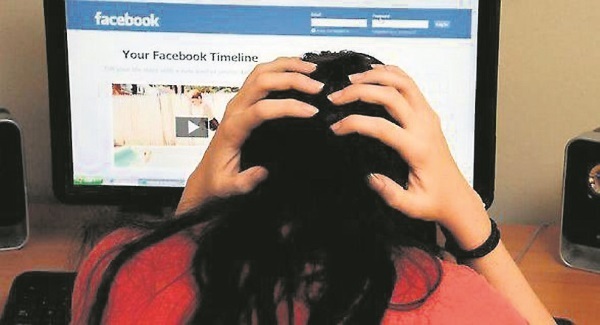
Adolescents who report being cyberbullied are also twice as likely to perceive themselves as too fat.
The study was conducted by Ursula Kenny, lecturer in public health nutrition at the Department of Clinical Sciences and Nutrition in the University of Chester.
It was submitted to the College of Medicine, Nursing and Health Sciences at NUI Galway and incorporates research published in different health journals, including in the Journal of Health Psychology earlier this year.
Focussing on Irish adolescents aged 13 to 18, it has three strands: Interviews through focus groups with 111 young people on their perceptions of peer influences on body image and the role of friendships; survey results from 4,481 adolescents involved in the 2013/14 Health Behaviour in School Aged Children (HBSC) survey in Ireland as well as workshops with 74 adolescents; and secondary data from the same study involving more than 7,000 adolescents and their views on cyberbullying and its role in perceptions of body image.
According to the study: “Overall, the peer environment has a negative impact on adolescent body image.” Teasing, constant criticism and possible exclusion are among the factors listed in peer influence on negative body image in adolescents, though this is counteracted by the positive influence friends can have in bolstering self-belief.
Pressure to conform can be immense. One fourth year girl said: “If your friends have their hair or makeup a certain way, you want to be like that because you don’t want to be left out of the group or something.”
A fifth year boy said: “If all your friends were muscular, and you weren’t, like you’d feel left out, you just wouldn’t feel as good as them.” A contemporary said: “Lots of people go to the gym and do weights to look big in front of girls.” A fourth year girl said: “Everyone is feeling the pressure to get like a thigh gap or the perfect summer body.”
One in four participants reported being cyberbullied once or more in the past couple of months, with girls (31.0%) more likely than boys (17.4%) to report being cyberbullied.
“This paper suggests that being cyberbullied may play a role in body dissatisfaction among adolescents; while supportive peer relationships may serve as a buffer against body dissatisfaction,” it said. “Results revealed that adolescents who report being cyberbullied are approximately twice as likely to perceive themselves as too fat, compared to those who do not report being cyberbullied.”
According to the study, peers monitor others’ appearance to see if “standards have been met and to determine what sanctions will be applied to those who fail to conform”, such as peer teasing, judging, and exclusion. Girls are now more focussed on the appearance of other girls, rather than primarily aiming their attention on the appearance of boys.
It also said adolescents are teased about and judged on a wide range of appearance attributes, including hair colour, clothing, and weight, which Ms Kenny said was “concerning given that previous longitudinal studies have revealed that teasing experiences are predictive of appearance dissatisfaction and emotional distress among adolescents six years later”.

CONNECT WITH US TODAY



Be the first to know the latest news and updates