Only half of teen girls get the cancer vaccine
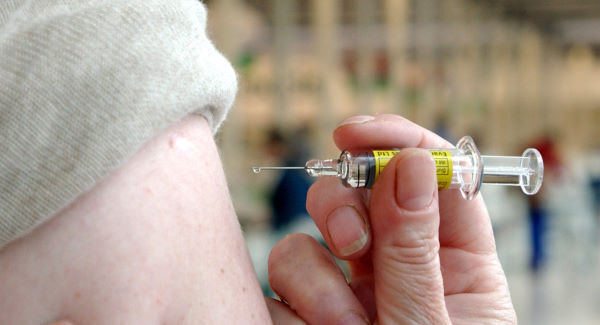
The National Immunisation Advisory Committee says it is âgravely concernedâ. Vaccination rates are now far below the recommended 80% target.
Over the last two years, there has been a 15% fall in the uptake of the vaccine, which protects against two types of viruses â HPV 16 and 18. These are the cause of 70% of cervical cancers.
Controversy over alleged side-effects of the vaccine have dramatically reduced uptake in recent years.
HPV (human papillomavirus) causes 6,500 pre-cancers and cancers in men and women every year. Cervical cancer occurs when the cells of the cervix are infected with one or more high-risk HPV types.
Every year, 300 women in Ireland are diagnosed with cervical cancer, and one in three will die.
Chairwoman of the NIAC, Dr Karina Butler, said the vaccine, offered through a school-based programme, is more effective the earlier it is given.
âWe encourage all parents to have their daughters complete the recommended schedule of HPV vaccines: a two-dose HPV vaccine series before age 15, or three doses in those older than 15,â Dr Butler said.
âWe also encourage all healthcare providers to be advocates for cancer prevention by making strong recommendations for childhood HPV vaccination. It is so tragic to see a young woman, often at the age when her family is still young, battling for her life against what is now a vaccine-preventable cancer,â said Dr Butler.
Consultant obstetrician and gynaecological oncologist, Prof Donal Brennan, said cervical cancer is a devastating diagnosis for women and their families.
Prof Brennan said treatment could include radical surgery, or a combination of chemotherapy and radiotherapy.
âAlthough sometimes successful, these treatments can have many long-term consequences, including loss of fertility, and bladder, bowel and sexual dysfunction,â he said.
The vaccine also protects against other cancers, such as anal, oropharyngeal (mouth and throat), and other genital cancers affecting men and women.
Studies in Australia and the United States show that within six to eight years of introducing the vaccine, the prevalence of HPV 16 and 18 infections among young women decreased by between 86% and 90%.
The World Health Organisation and European Medicines Agency have found no evidence to link the vaccine to chronic fatigue syndrome in young girls, and say it is safer to get the vaccine than to decline it.
Meanwhile, 15% of women were found to be HPV-positive, in a screening study now underway in Ireland.
However, just 5% of the 6,000 women who tested positive had the two subtypes associated with 70% of cervical cancers, and which are targeted by the vaccine.
The study, funded by the Health Research Board, is being conducted in partnership with CrevicalCheck, the national cervical screening programme.
It is examining the role of HPV testing as a primary screening test and exploring the use of different biomarkers for stratifying HPV-positive women into different risk categories.
Altogether, 13,000 women attending for their routine CervicalCheck smear test will be recruited for the study.