House price hikes ‘show politicians fail to learn lesson’
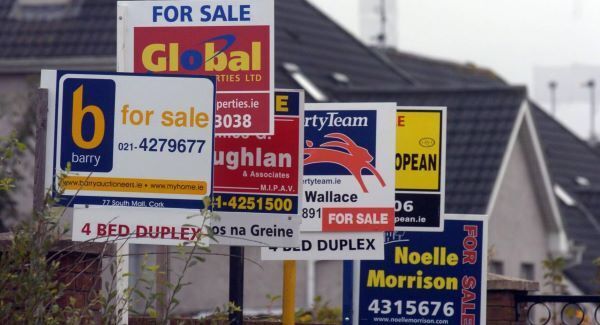
According to the latest CSO figures, residential property prices at national level increased by 8.6% in November. This compares with an increase of 6.9% in the year to October and an increase of 4.2% in the 12 months to November 2015.
In Dublin, residential property prices rose by 5.9% in the year to November. Dublin house prices increased 5.6% while apartment prices jumped by 9.6% in the same period.
The highest house price growth was recorded in South Dublin, at 8.3%, while the lowest growth was in Fingal with house prices rising by 3.1%.
The largest spikes in property prices came outside of Dublin where prices were 12.8% higher in the year to November.
The West region showed the greatest price growth, with house prices increasing 16.7%. The area with the least price growth was in the Mid-East region where house prices rose by 8.3%. Apartment prices outside of the capital increased 7.8% in the same period.
Despite rising prices, overall the national index is some 31.5% lower than the peak in 2007. Dublin residential property prices are 32.2% lower than their February 2007 peak, while residential property prices in the rest of the country are 35.9% lower than their May 2007 peak.
However, from the lowest mark since the downturn of the economy in 2013, prices have more than doubled.
In the same period, Dublin residential property prices have increased 65.8% whilst residential property prices in the rest of the country are up by 47.5%.
CEO of the Institute of Professional Auctioneers & Valuers, Pat Davitt, said he expected house prices to continue to rise until supply moves closer to demand.
“It is not at all surprising that prices outside of Dublin would be increasing, for example, a 16.7% rise in the West, since prices have been very subdued in many parts of the country and little or no stock has been built because new homes cannot be built for the prices at which second-hand homes have been selling,” he said.
Economist Alan McQuaid from Merrion Economics said the lack of supply was pushing up prices.
“Until this issue is addressed, prices in the capital and its outskirts will likely remain elevated, even with Brexit-related risks.
“The easing of mortgage lending restrictions imposed by the Central Bank combined with the tax-incentive scheme for first-time buyers announced in the October budget will keep upward pressure on prices until new supply comes on the market.
“The real question is whether we need this type of incentive at all, with politicians seemingly not learning their lesson from the property crash/financial crisis,” he said.