November sees highest number ever recorded on trolleys
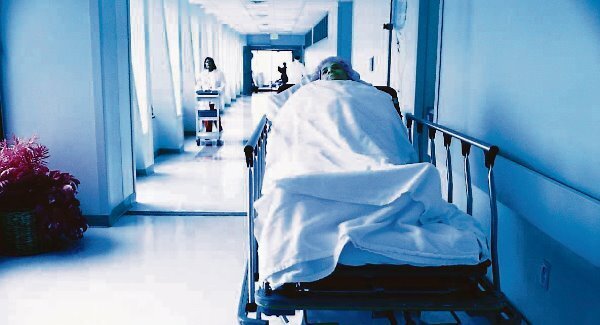
Figures from the Irish Nurses and Midwives Organisation (INMO) show there were 9,306 admitted patients on trolleys last month, 26% greater than last year when there were 7,407.
The level of overcrowding is almost double (99%) that recorded in November 2006, when 4,671 people were left waiting on trolleys.
The INMO said last month’s trolley count was “very worrying” because demand would inevitably increase over the winter.
The nurses’ organisation started recording patients on trolleys in late 2004 when the number of patients on trolleys every day during the week varied between 127 and 221. There were 440 patients on trolleys waiting to be admitted to a hospital bed on Thursday and 372 yesterday, according to the INMO’s Trolley and Ward Watch.
The worst affected hospitals last month included: University Hospital Limerick (789); South Tipperary General Hospital (680); Cork University Hospital (648); Our Lady of Lourdes Hospital in Drogheda (607); and University Hospital Galway (594). Trolley figures only show a 1% improvement on last year, despite the measures taken to date to improve the situation.
Altogether, 85,731 patients were left waiting on trolleys in the first 11 months of this year, compared to 86,864 during the corresponding period last year. The lowest number — 46,853 — was recorded in 2007.
The numbers in the East were reduced 21%, with Connolly Hospital in Blanchardstown recording a 48% fall in its trolley figures.
However, many hospitals outside of Dublin recorded an increase, with the biggest jump, 162%, in South Tipperary General Hospital, and a 54% increase in University Hopsital Waterford.
It said the need to close 180 beds across the hospital system for infection control reasons might be partly to blame for the marked deterioration in the figures for November. However, that was no surprise because ward overcrowding compromised best practice about infection control and, ultimately, resulted in bed closures to control the spread of disease.
The situation was further exacerbated because of the staffing crisis — many emergency departments and inpatient wards were still grossly understaffed, despite efforts to fill the posts. According to the most recent figures, there were more than 120 vacant positions, compared to 85 in the first quarter of this year.
INMO general secretary Liam Doran said the “hugely disappointing” figures confirmed yet again that the health service cannot cope with the demands made on it.
He said the figures for November were “particularly alarming” with the inevitable increased demand that would be on the system in the next few months.
“The winter initiative with its €40m earmarked funding, is obviously necessary but further measures, with resources, are needed arising from this latest trolley watch analysis,” said Mr Doran. The trolley figures are expected to be brought forward for review at Monday’s meeting of the emergency department taskforce.