Irish health system receives ‘average’ EU rating
The report shows that in many instances Ireland’s health system is performing at average, or below average, levels with signs of progress in certain areas and problems in others.
The report, compiled by the OECD and the European Commission, shows Ireland performs well compared to the EU-26 average when it comes to the proportion of patients who visited an emergency department when primary care was not available. The figures, however, relate to 2011-13.
Among some of the serious concerns was Ireland having the second highest death rate from respiratory diseases among EU countries in 2013. We also had unwanted pneumonia mortality rates that were well ahead of the EU average, while COPD mortality rates fared even worse. Ireland had the highest asthma and COPD hospital admission rate in adults among the EU-21 in 2013.
The OECD noted chronic diseases were causing hundreds of thousands of premature deaths across Europe and named Ireland as being among the countries that “lag behind in terms of cancer survival rates”.
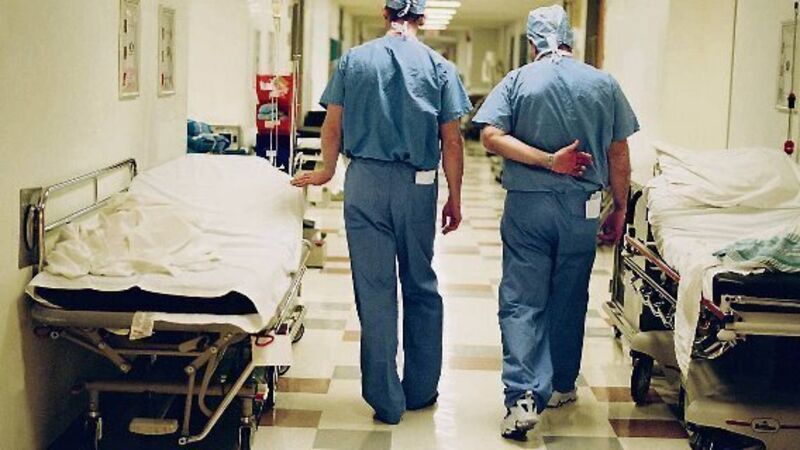
Ireland had the second lowest level in the EU-27 of hospital beds per 1,000 population and low rates for MRI and CT scans.
It ranked ninth for unmet need for medical examination for financial, geographic, or waiting times reasons in 2014 and 10th for unmet need for dental examination for the same reasons. Our average of 2.8 practising doctors per 1,000 population is low by international standards, yet we have the second highest number of medical graduates.
Areas where Ireland betters EU averages include life expectancy at birth, mortality rates from all causes of death in 2013, and child mortality rates in 2013.
Using EU Statistics on Income and Living Conditions survey (EU-SILC) dating from 2014, Ireland had the highest rating of all countries, at 83%, of people who reported their own health as being either very good or good. Ireland also came top when it came to self-reported health status by income level, among both highest incomes and lowest incomes respondents of all countries.
The report also notes reductions in smoking rates here generally and among younger people, as well as relatively low rates of youth drinking and a fall in overall levels of alcohol consumption, although Ireland’s performance here is still above the EU average.
According to the report, reported rates of gonorrhoea were highest in the UK in 2014, followed by Ireland which also had the fourth highest cancer rate among the EU-28 in 2012, the sixth highest breast cancer rate that year (92 per 100,000 population) and the third highest prostate cancer rate (114 per 100,000 population).
The report also noted “a marked increase” in child obesity levels here and the second-highest rate of self-reported obesity among adults. This, despite broadly positive levels of eating fruit and vegetables and exercise among children, although there is a drop-off in the latter through the teenage years.
Health spending was fifth highest in the EU-28 while we were the second highest spenders on pharmaceuticals in Europe.
Future challenges include a forecasted doubling in the rate of dementia by 2035.


CONNECT WITH US TODAY



Be the first to know the latest news and updates