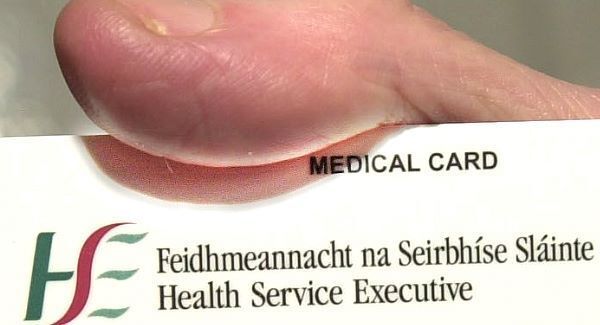
Medical card fear a work barrier
The survey of almost 3,200 disability allowance recipients shows that, of the 13% of respondents currently working, the vast majority said their employment was going well or very well, while just 3% said it was going badly or very badly.
Of the same group, 26% said they would like to work more hours, while 59% said they would like to keep the same hours.
Of those not working, 57% said they were unable to, while 35% said they would be interested in part-time work, with 8% saying they would like full-time work.
However, the survey also highlighted concerns among respondents over possible loss of medical cards and benefits by entering the labour force, as well as mental health and other issues.
Joan O’Donnell, Disability Federation of Ireland development manager, said the survey results illustrated how many disability allowance recipients felt they could not risk getting a job because of fears over the loss of a medical card.
“This survey gives a unique insight into just how much people with disabilities have been left behind in Irish society,” she said.
“The number of people on Disability Allowance rose 6% last year, despite generally falling levels of unemployment. Entitlement to the medical card continues to be the number one reason why people cannot risk going out to work. We need to understand that people’s medical needs do not disappear when they take up a job.”
The number of recipients of disability allowance rose almost 50% between 2006 and January 2016, when 124,807 people received the payment, with an expected cost of €1.28bn this year.
The figures also show 23% of recipients having a claim duration of less than five years and 6% of recipients only beginning receipt of the payment in the past year.
Inclusion Ireland said the survey, conducted by the Department of Social Protection, showed the obstacles faced by many people with a disability in securing and keeping a job and raising their standard of living.
An Inclusion Ireland spokesman said having a job is essential in order for those with intellectual disabilities to participate in mainstream society and take an active part in the community, also helping combat institutional and systemic causes of poverty and social exclusion.
“However, labour participation rates for people with disabilities are extremely low, with only three out of 10 adults with a disability of a working age having a job,” said the spokesman.
CONNECT WITH US TODAY



Be the first to know the latest news and updates