Unions: Hold new deal talks or face a pay war
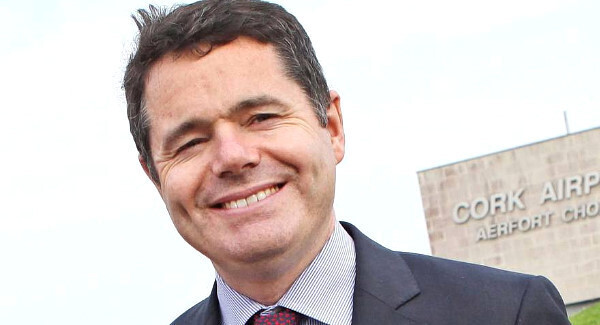
The threat comes as Mr Donohoe and Tánaiste Frances Fitzgerald are to face the ire of their ministerial colleagues at Cabinet today over the deal offered to gardaí.
Several ministers, including Simon Harris and Leo Varadkar, are among those known to be deeply unhappy at the potential impact of the deal on their budgets, with Mr Varadkar refusing to concede any of his resources to pay for the increased package for gardaí.
The threat from unions comes ahead of today’s second one-day strike for equal pay for recently qualified teachers.
The Association of Secondary Teachers Ireland’s (ASTI) 17,500 members stopped doing supervision and substitution at more than 500 second-level schools yesterday.
Around 400 schools were forced to close because their boards of management did not have staff in place to take on those duties, with Government and the union blaming each other for the situation that left around 200,000 students with no classes.
However, for dozens of schools that managed to get supervision rosters covered despite industrial action, difficulties finding non-ASTI substitutes could prevent them from releasing staff to accompany students on trips connected to their courses, sports or other extra- curricular activities in the days and weeks ahead.
Trade union leaders yesterday issued an ultimatum directly to Mr Donohoe, at a first meeting of the two sides at Government Buildings since the proposed Labour Court deal for gardaí.
Talks between the public services committee of the Irish Congress of Trade Unions and the minister were described as “very frank” and “difficult” by sources present. The minister was given two options.
“He was told to have collective discussions or to expect a free-for-all,” said one source. “It was very frank, very direct from both sides. You would expect it would be a difficult meeting given the circumstances.”
Mr Dnohoe was also told union leaders believe the Lansdowne Road Agreement, the current pay deal with workers until late 2018, is untenable after the garda deal and must be replaced.
A spokeswoman for Mr Donohoe refused to divulge details of the meeting, but said: “Both parties agreed to support moving forward with a collective pay policy agreement. Further contact at ministerial and official level is expected across the coming period.”
The tense start to the talks will not sit well with the Government, which today will discuss the fallout from the garda deal and rising union pay demands.
Ministers are expected to clash with Ms Fitzgerald and Mr Donohoe at cabinet today over the garda deal, which could cause chaos for the budgets of other departments.
A number of ministers are furious that gardaí received such a generous package, as they fear it may lead to many other public sector groups demanding pay increases.
A senior government source said the garda deal will have a “significant knock on effect for everybody else”.
Mr Varadkar is set to resist any attempt to cut his social welfare budget in order to foot public sector pay demands.
“Carers, lone parents, and people with disabilities can’t go on strike,” he has said.
Equally, junior health minister Finian McGrath also wants to protect extra resources allocated to disability groups.
The Cabinet meeting comes as the new public pay commission hold its first meeting today. The Government wants its recommendations to feed into any new pay deal, which may succeed Lansdowne Road.
However, unions want the pay commission’s deadline brought forward to the beginning of next year, to speed up any new deal.
Taoiseach Enda Kenny warned yesterday of rising pay demands: “We cannot go back to the boom-and-bust, the when-I-have-it-I-spend-it recklessness that brought the country to the brink. And, to those who argue for a so-called loosening of the purse strings, they should remember that loose spending eventually has to be reined in.”