Strikes: Wave of demands after pay deal for gardaí
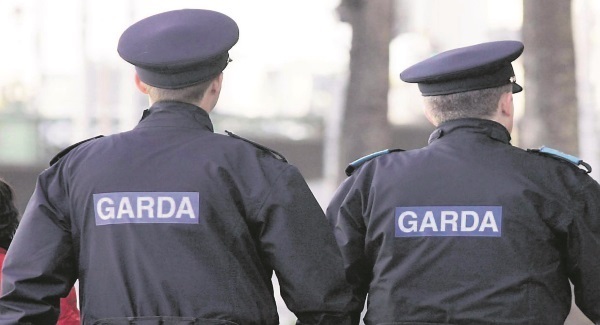
Fresh demands for extra pay for public workers, fuelled by a special deal for gardaí, are threatening to unravel the public sector pay deal and drain government spending from other areas.

Strikes: Wave of demands after pay deal for gardaí

Government officials say the estimated €40m special deal for gardaí, who deferred a strike this week, may have to come from outside the €300m already allocated for public pay next year.

The deal recommended by the Labour Court has triggered pay demands from unions who want to accelerate talks on finding a successor to the Lansdowne Road agreement.

Public Expenditure Minister Paschal Donohoe confirmed to the Irish Examiner last night that fresh talks would be held with unions.

“The Government will engage as necessary through public service management with the public services committee of Ictu and other representative bodies, under the oversight and governance arrangements provided within the Lansdowne Road Agreement, to address any issues that arise from the Labour Court recommendation,” he said.

“The wider implications of the recommendation, in relation to the continued operation of the Lansdowne Road Agreement as it applies to all public servants across the public service, requires careful consideration and assessment by the Government.”

Fresh pay demands would impact on spending elsewhere, the minister warned.

“There is a fixed amount of money available for public services and public pay for next year. More funds for pay restoration or acceleration will impact on funds available for other needs.”

Taoiseach Enda Kenny said the Government did “not have an endless pot of money”.

But several trade unions insist the package for the GRA and AGSI is outside the agreement.

Impact said the new offer for gardaí was a “material change”.

The Civil Public and Services Union called on Ictu to decide on a new campaign to reverse cuts.

The Irish Nurses and Midwives Organisation’s Liam Doran said Lansdowne Road was a document that could be “bent”.

“The stress of strike action by gardaí made the Government come forward,” he said.

Unions warn of individual disputes erupting and instead want a collective talks process to look at unwinding pay cuts.

A joint statement from Justice Minister Frances Fitzgerald and Mr Donohoe welcomed the decision by gardaí not to strike and said the outcome of a garda ballot was awaited. Ministers also stated support for Lansdowne Road as “the centrepiece of public pay policy”.

They said: “The cost of the proposed settlement will be met within existing budgetary allocations.”

But Government officials privately admitted the near- €40m package for low and middle-ranking gardaí may come from outside the €300m allocated for public pay next year.

Labour’s Brendan Howlin said there was no doubt that what was paid to gardaí must be paid to others, or the pay agreement would collapse and there would be a series of strikes.

Fianna Fáil called on the new public pay commission to meet unions immediately.

An initial analysis by the Irish Examiner of the Labour Court deal suggests the country’s 10,330 frontline gardaí could receive an increase in annual pay of between €2,800 and €3,100.

Estimates suggest new recruits could see pay rise from €23,000 to around €29,500. The offer includes a payment of €15 per annual leave day, worth up to €510 a year. Gardaí would also be paid for pre-shift briefings, potentially up to €1,400 a year. Restored rent allowance would be worth up to €4,500 for new gardaí.

Meanwhile, the closure of more than 500 schools from Monday looks inevitable and could continue indefinitely unless the ASTI hammers out a resolution to its dispute with the Department of Education over the weekend.

More in this section

Lunchtime News

Newsletter

Keep up with stories of the day with our lunchtime news wrap and important breaking news alerts.

Cookie Policy Privacy Policy Brand Safety FAQ Help Contact Us Terms and Conditions

© Examiner Echo Group Limited