Case study: Four part-time psychiatrists treating high rates of pregnancy depression
High depression rates among mums-to-be highlight the inadequacy of having just four part-time psychiatrists to treat mental ill-health in the state’s obstetric services, a new study has found.
Case study: Four part-time psychiatrists treating high rates of pregnancy depression

Veronica O’Keane, lead investigator in Well Before Birth, the first all-Ireland screening study of the prevalence of depression during pregnancy, said perinatal psychiatry services were “grossly under-resourced” and needed to be addressed “as a matter of priority” in the National Maternity Strategy.

“The major maternity centres need at least one full-time perinatal psychiatrist each. They are dealing with around 7,000 births per year and even if depression rates were at a minimum of 10%, that’s 700 women,” said Prof O’Keane, professor in psychiatry at Trinity College Dublin (TCD).

The study, due for launch today, found the prevalence rate of probable depression among 4,229 pregnant women was 16%, higher than rates found in similar studies in developed countries (10%-15%) using the same screening tool. The prevalence rate was even higher — 22% —among participants under the age of 18, “who are hardly out of being mothered themselves” Prof O’Keane said. “The youngest participant in the survey was aged just 13.

Prof O’Keane said women attending obstetric services “need to be screened in the same way as you screen for diabetes” in terms of identifying whether their mental health was at risk.

She said current screening during pregnancy was “hit and miss” and there was a need for dedicated staff to pick up on depression early. “A lot of women are not going to say how they feel in a busy clinic with 15 women in a queue behind them.”

What’s more women often felt under pressure to appear happy during pregnancy.

“It’s a cultural thing, that old-fashioned idea that women are happy during pregnancy, that it’s a time of happy anticipation. Most countries seem to have moved beyond that notion, but it remains a cultural phenomenon here. Many of my colleagues abroad are in disbelief at the state of perinatal mental health services in Ireland,” Prof O’Keane said.

While Ireland “had a debate for a year about whether a woman was suicidal or not during pregnancy” (in the context the Protection of Life During Pregnancy Act) the language around it was “highly offensive”, Prof O’Keane said “because it was a case of ‘if she’s not suicidal, she’s fine’”.

She said the approach to mental health during pregnancy needed to be “more humane”. She said: “It’s not just about having a healthy baby, it’s about the woman’s own wellbeing as well.”

Prof O’Keane said all the focus to date had been on postnatal depression but their study — which found depression rates increased between the second and the third trimester — showed that mental health also needed to be prioritised during pregnancy.

Studies have shown that the consequences for women who do suffer from depression during pregnancy include an increased risk of pre-eclampsia, caesarean-section, preterm delivery and low neonatal birth weight. For the infant, it may lead to neurodevelopmental and behavioural disadvantage during infancy and an increased risk of psychiatric disorder in childhood and later life.

Well Before Birth was compiled by the REDEEM research group, based in TCD and participants were recruited from Holles St, the Rotunda, Cork University Maternity Hospital, Mayo General Hospital, University Hospital Limerick and community antenatal clinics in Tallaght.

CASE STUDY: ‘I grew more sad as weeks went by’

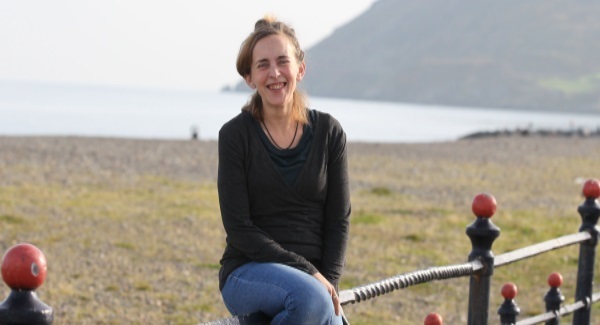
BethAnne Linstra Klein had planned her first pregnancy back in 2011 with her partner Fionn so the depression that set in early on was all the more surprising.

“Rather than feeling excited, I grew more and more sad as the weeks went by,” she says.

Disappointed and disgusted by her emotions, she nonetheless raised her feelings with her GP and at the public hospital clinic she was attending.

“But when I’d say I felt sad, the response was ‘it’s normal to feel like that’ and often I felt I wasn’t been acknowledged as a person. It was a case of ‘the baby’s doing great’ and I kept feeling more and more defective.”

BethAnne, 38, who lives in Bray, Co Wicklow, confided in Fionn but he felt quite helpless, she says.

“He didn’t know what to do. He says he really struggled because he was excited but he didn’t want to say so in front of me.”

Eventually, in her third trimester, a doctor at the hospital whom she hadn’t met before took her seriously.

“She said ‘I hear you, I understand’,” BethAnne says. She was referred to a perinatal psychiatrist who prescribed an antidepressant.

“Within a week of starting on the meds, I felt normal, a person who was happy to be pregnant. I no longer felt like a fraud.”

That was four years ago. BethAnne subsequently gave birth to the couple’s first daughter.

A second pregnancy was a far more positive experience. Again it was planned and when she went to her first clinic appointment, she mentioned that she had previously been in the care of a perinatal psychiatrist. She was reassured that a referral would be organised right away. She also took the step of writing to the psychiatrist and he brought her straight into the service and she remained on antidepressants.

“I saw him every month and the pregnancy was so different to the first time around. I was proud to be pregnant as opposed to trying to hide it. I wore shirts to show off the bump, it was the way it should be when you are pregnant.”

BethAnne subsequently gave birth to a second daughter, now aged two.

Her advice to other women who feel depressed when pregnant is: “Don’t ignore it or play it down. Persist with telling your doctor or tell another doctor if no action is taken. People should not feel alone or think they are the only ones feeling sad. I’d have coped better knowing that others suffered too.”

- Catherine Shanahan

More in this section

Lunchtime News

Newsletter

Keep up with stories of the day with our lunchtime news wrap and important breaking news alerts.

Cookie Policy Privacy Policy Brand Safety FAQ Help Contact Us Terms and Conditions

© Examiner Echo Group Limited