Budget 2017: Speech therapy for children with disabilities is part of €10m package
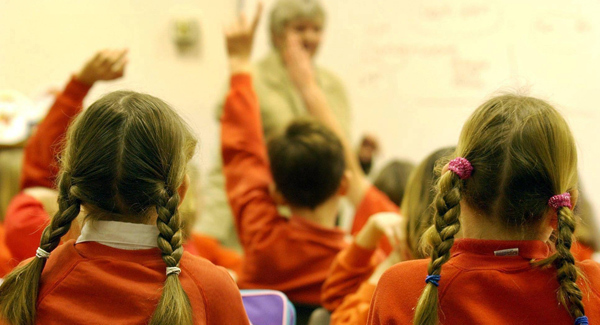
Speaking at the Department of Health press briefing last night, Disability Minister Finian McGrath said additional funding of €10m would help deliver therapies, respite, and other supports.
He said statutory and non-statutory agencies were “working towards the goal of helping people live independently with the help of the State”. He was particularly pleased €10m had been set aside to fund medical cards for children with disabilities “subject to the preparation and passage of legislation through the house”.
Mental Health Minister Helen McEntee announced €35m for mental health in 2017, which she said was “in addition to the €35m allocated in 2016, which remains in the base funding for mental health”.
She said total mental health spending in 2017 will include additional capital funding of over €50m for the award of the contract for the building of the new National Forensic Mental Health Service in Portrane, the total cost of which is in excess of €150m.
However Mental Health Reform director Dr Shari McDaid said the minister “needs to ensure that funding allocated in 2017 is released in January and spent during the year on the services intended”. In previous years, funding has not been spent.
“We also call on the HSE to set out in their service plan the detail of how the announced allocation of €35m in development funding will be spent and by when,” said Dr McDaid.
Health Promotion Minister Macella Corcoran Kennedy welcomed €5m to kickstart establishing a “Healthy Ireland Fund”, although in this respect the Government failed to introduce a much lobbied-for sugar tax, deferring it in order to “align” with the introduction of the tax in Britain next year.
Drugs Minister Catherine Byrne welcomed an allocation of €3m to support drugs and social inclusion measures saying it would “enable the HSE to continue providing interventions aimed at improving the health outcomes of the most vulnerable in our society, including Traveller and Roma communities, those affected by addiction issues, those experiencing homelessness and asylum seekers and refugees”.