Mediterranean diet may cut breast-cancer relapse risk
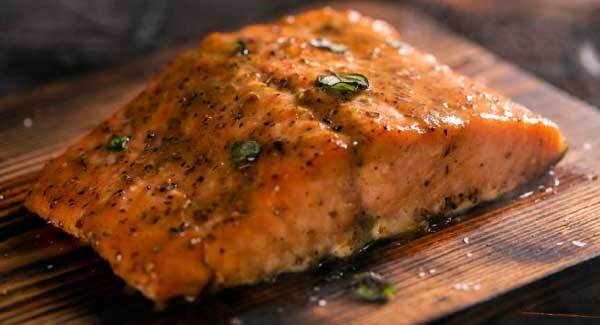
A Mediterranean diet rich in vegetables, fish, and olive oil may reduce the risk of breast cancer returning.

Mediterranean diet may cut breast-cancer relapse risk

Research on 300 women with early-stage breast cancer reinforces earlier work, which suggests diet may cut cancer risk.

The study involved 199 women eating their normal diet and 108 eating a Mediterranean diet. The findings were presented at the American Society of Clinical Oncology (Asco) conference, in Chicago.

A Mediterranean diet includes vegetables, fruit, nuts, seeds, fish, olive oil and whole grains, and is low in red and processed meat. Alcohol is kept to a minimum.

Women who have less than one drink a day, men who have one to two drinks a day, and people who have fewer than three servings of red meat per day get maximum benefit from the diet.

They also eat several servings of fruit and vegetables per day, one serving of wholegrains and up to four servings of fish per week.

In the latest study, carried out at Piacenza Hospital, in Italy, women who were in remission from breast cancer were tracked for three years.

Eleven patients who were following their normal diet got cancer again, while no women in the Mediterranean diet group did.

Research published last year, in the journal, JAMA Internal Medicine, also found that eating a Mediterranean diet, supplemented with extra virgin olive oil, was associated with a lower risk of breast cancer.

The study, led by the University of Navarra, in Pamplona, and the Spanish Biomedical Research Centre in Physiopathology of Obesity and Nutrition, in Madrid, Spain, compared women whose families consumed one litre a week of olive oil to women on a low-fat diet.

Of 4,000 women, those on the Mediterranean diet, with extra olive oil, appeared to have a 68% reduced risk of breast cancer.

Professor Arnie Purushotham, Cancer Research UK’s senior clinical adviser, said: “The preliminary results of this small study suggest that a Mediterranean diet could lower the risk of breast cancer returning, but we’d need much longer follow-up than three years to confirm the diet’s impact.

“Further studies, with more women, are needed to understand more about the impact that diet can have on breast cancer survival and the biological reasons behind this.”

Dr Erica Mayer, Asco’s breast cancer expert, said: “The whole topic of lifestyle interventions for breast cancer survivors is a very important one. There is substantial research going on into what we should be recommending to breast cancer survivors.”

But she said studies have been conflicting and the latest had problems with its methodology. “It is not clear whether there is a specific diet, or foods to eat or not to eat, to prevent recurrence”.

More in this section

Lunchtime News

Newsletter

Keep up with stories of the day with our lunchtime news wrap and important breaking news alerts.

Cookie Policy Privacy Policy Brand Safety FAQ Help Contact Us Terms and Conditions

© Examiner Echo Group Limited