Renegotiation of public sector pay deals ruled out
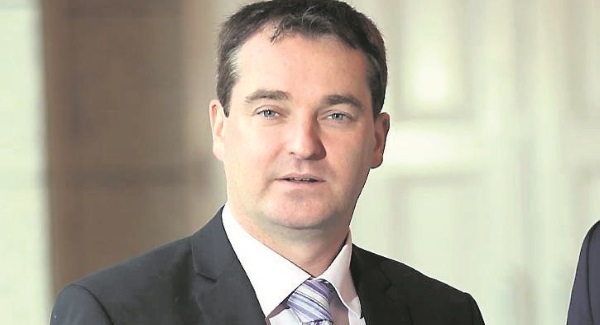
Department secretary general, Robert Watt, also defended rates paid to frontline workers such as nurses and gardaí and stood over increases agreed under the agreement for the coming years.
His comments come as the next government faces a serious of demands for pay hikes and amid suggestions that the deal agreed with unions should be reviewed.
Workplace Relations Commission CEO Kieran Mulvey said this week that the Lansdowne Agreement, which runs until 2018, may have to be revisited if new recruits cannot be attracted.
Mr Mulvey said the problem with the rates being paid to entry grade levels for professions was “a problem that comes back to bite you after a while”.
The comments, as well as claims about pay rates, yesterday prompted Mr Watt to release data and figures about public service staff.
“Pay and the evolution of pay, the pay bill, must be seen in the overall context of the overall fiscal position,” he said. Ireland was still running a general government deficit, he added.
“Any money that is allocated to pay is less money for improvement of services, it’s less money for social housing and for a variety of improvements that people are advocating all the time.”
There is a balance to be struck for any government on what it prioritises, he said. Improvements in clerical officer pay would be 9% over the next three years, 8.5% for gardaí, up to 8% for nurses and 7% for teachers, Mr Watt noted.
Lower paid workers would achieve almost total or full restoration of pay levels before the crash, he said.
Mr Watt also outlined how recruitment campaigns had received tens of thousands of applications from nurses, gardaí and teachers recently. It was “impossible to argue” there was a difficulty attracting workers, Mr Watt insisted.
Starter salaries for administrative staff are €30,000, he said, new nurses are getting a basic €27,500, and teachers are getting €30,702. Gardaí, while starting on €23,000, he said, are getting paid an average €31,000 after a year. The wish is that the Lansdowne Agreement would remain “for a number of years”, he added.