Objections as EU-US trade talks continue
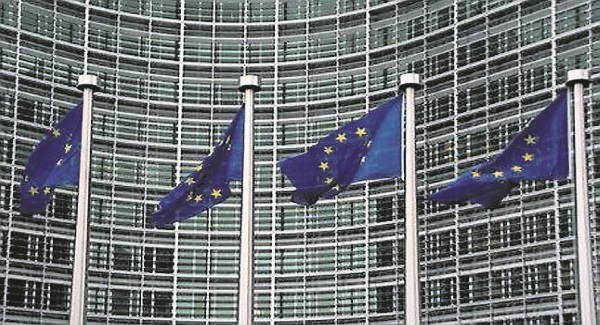
The 12th round of negotiations began in Brussels on Monday with Greenpeace protesting and delaying the start of the talks. But the objections are EU-wide and with both sides now pushing to get agreement on the massive trade deal by July so President Barak Obama can get it signed before the end of his term, pressure is mounting on all sides.
One of the big issues highlighted by most objectors, including the Irish-based People’s Movement, is that the EU will be forced to drop its precautionary principle — which says if there is a doubt about the safety of a food or product then it should not be included.
Instead of the EU and the US trying to agree to adopt the same standards for all products, the intention is that they will recognise one another’s standards, and that the regulatory convergence is agreed behind closed doors.
US poultry is doused in chemicals, including chlorine, to kill off anything that can cause salmonella, for instance, while the EU banned chlorine treatment 20 years ago because of fears it caused cancer, Kevin McCorry pointed out. But rearing poultry in the EU is more expensive as the conditions are designed to prevent salmonella, and the more expensive poultry will not be able to compete with cheaper US imports, he argues.
The highly controversial issue of who decides if a government’s laws or decisions are protecting national companies against those of their trading partner is back on the table, having been taken off in 2013.
The European Commission came up with what promised to be a compromise on the “courts” run by trade lawyers that could decide that a government had to pay often massive fines to the company believed to suffer a loss of potential profits.
However the Commission’s proposal for a court staffed by full-time specialist judges and with an appeal mechanism is still seen by those opposed as a system outside the normal civil legal system where business interests win out.
Opposition is particularly strong on environmental and human health grounds. And while European companies have been big users of the existing system that have been part of trade agreements in some parts of the world, small businesses and NGOs warn that under TTIP, it will mean business takes over from democracy.
More than 280 organisations from Europe, the US and Canada signed a statement condemning what they called the European Commission’s ‘re-branding’ of the old investor state dispute procedure, that is in place for some Canadian trade agreements. They say the proposed new Investor Court System is not an improvement. “The right to regulate for example still leaves massive potential to penalise national governments for legislation intended to protect public health, the environment, and society,” the group said.