Britain edges closer to finalising EU deal
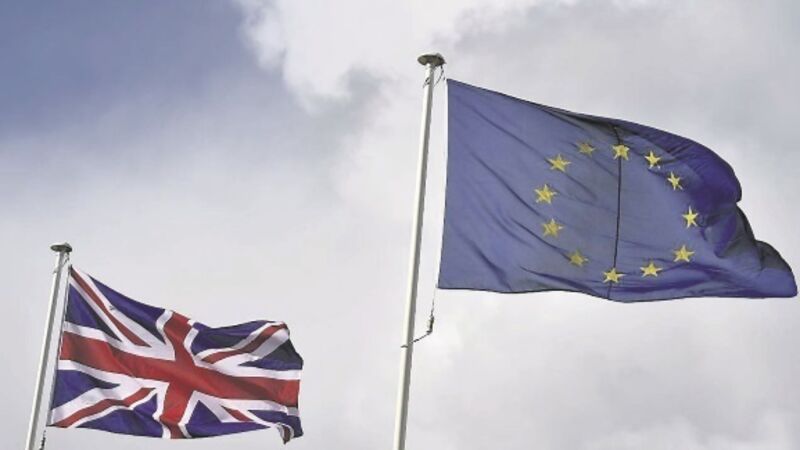
By the time British prime minister David Cameron completed his shuttle-round of talks with the most problematic capitals yesterday, there were just five questions left to be resolved by the 28 national leaders.
These are expected to be thrashed out over an “English breakfast” this morning.
The most intense discussions were regarding payments to workers from other EU countries; child benefit to families not living in the country; and benefits for low-paid workers.
The central and eastern European countries whose citizens will be most affected by these cuts are insisting that only Britain can limit in-work benefits.
This would mean new workers coming to the UK would have these benefits phased in over four years. The question to be resolved was how long this ‘emergency measure’ could be in force in Britain.
Mr Cameron reportedly wants to apply this to workers coming to the country during the 10 years following its implementation — expected from 2018.
The countries from which most workers come, led by Poland, want it limited to four years, which could be renewed for another four. Some expect the eventual deal will be seven years.
When he arrived for the summit, Taoiseach Enda Kenny refused to be drawn on the question of whether Irish workers in the UK would be affected.
However, he said he had a conversion about this some time ago with Mr Cameron and said the prime minister understood the situation.
The Government argues that Ireland is in a unique position in that not only do the Irish make up the biggest cohort of non-British workers in the UK — around 400,000 — but they share a common travel area; workers crossing the border with Northern Ireland would be especially affected, it claims.
According to sources, any discussions with Britain about a special dispensation for Irish workers will depend on the details of the deal and only be discussed after the referendum.
While the intention is that only Britain can apply such restrictions, Ireland also has in-work benefits.
Under Fine Gael’s ‘making work pay’ policy released yesterday, it intends to extend this in the future.
The situation will be different for limiting children’s benefits. Under the previous programme for government, Fine Gael and Labour committed to reducing the cost of allowances paid to children of EU workers living overseas. The total paid at the moment is €12m a year.
Under the British deal, which would be optional for other member states to use, the amounts paid out could be index linked to the cost of living in the children’s home country.
The total cost to the British exchequer is £35m (€45m). Mr Cameron has justified possibly spending more than the amount saved in implementing indexation by saying that it is a matter of fairness for his citizens.
Not all was going according to plan, however, with the British accusing the French of reneging on an agreement regarding the ability of a non-eurozone country to demand a discussion on euro decisions if they thought it could adversely impact them.
CONNECT WITH US TODAY



Be the first to know the latest news and updates