€100bn of fake medicines in circulation, says WHO
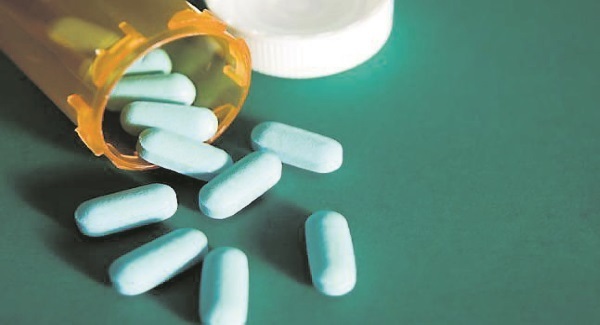
According to the World Health Organisation it is a lucrative business that is expanding rapidly and it believes it has about doubled over the past six years.
New rules are gradually being introduced in all EU countries to prevent the counterfeit medicines reaching patients.
This week two new measures come into force. They are a new barcode on every pack of medicine that allows it to be traced back to its manufacturer and will include its expiry date and registration number.
This will be read by wholesalers before the goods are sold to pharmacies, hospitals will check before handing it out to patients and pharmacies will check it before selling it to their customers.
The barcode will be checked against a database holding all the relevant information. It will also allow patients to trace back for up to five years after a product has been placed on the market, or until the expiry date, the details of the medicines in case they have a bad reaction to them.
The second safety measure is an anti-tampering device that will show if the packaging has been opened or tampered with since it left the manufacturer, and ensuring the contents have not been interfered with.
This will not apply to over- the-counter medicines at the moment, but these may be included if they are judged to be particularly at risk of being falsified.
Companies importing prescription medicines, repackaging them, and generic manufacturers will all have to comply with the safety features.
Later this year a special logo should be on all websites of legitimate vendors of medicines verifying them as being registered to sell bone fide medicines on the internet.
The white cross on the flag of the country in which the patient is accessing the website can be clicked-through to that member state’s national regulatory authority that lists all the legally operating online pharmacies.
The percentage of fake medicines turning up in the EU has traditionally been smaller than in the rest of the world at around 1%.
The European Commission says the falsifications are becoming more sophisticated, and the risk of them reaching patients in the EU increases every year.
In 2011 about 30m fake medicines were seized coming into the EU — mostly ordered online.
According to the European Federation of Pharmaceutical Industries, they are likely to have the wrong doses of the active ingredients or wrong ingredients while their quality, safety, and efficacy have not been tested.
The new rules will come into force in three years.

CONNECT WITH US TODAY



Be the first to know the latest news and updates