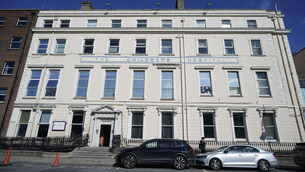
HSE Budget: Service may not match demand over finance woes
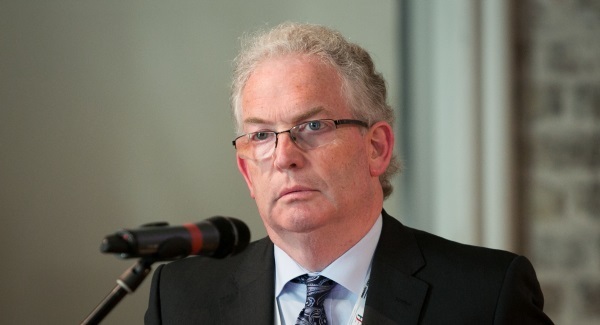
HSE director general Tony O’Brien has warned the health service is facing a “substantial financial risk” next year, with fears its budget may be unable to cope with hospital underfunding, primary care pressures, and staff payment demands.
HSE Budget: Service may not match demand over finance woes

The head of the health service admitted the situation at the launch of the HSE’s service plan for next year, stressing that while officials will do “all within our power” to maintain services cuts may need to be considered “as a last resort”.

The 172-page HSE budget plan for next year was published yesterday after weeks of delays and a number of controversial election-focussed last-minute changes by cabinet.

It states that while there has been an overall “modest” €817m increase for next year, €720m has already been spent on the 2015 supplementary budget or ringfenced for continuing existing services, meaning just €97m is available to new measures.

The document notes that some improvements are planned, including €38.5m in new plans for acute hospitals (€13m), cancer services (€10m, including €1.5m for Breastcheck), disability services (€7.25m), the national ambulance service (€2m) and respite care (€1m), while free GP care for under-12s will be discussed with doctors.

However, the report has still warned that “significant financial pressures” relating to hospitals and primary care services mean the system believes “it will not be possible to address all the challenges identified”.

On pages three, 10 and 27, the report states the system is facing a “substantial risk” that it will not keep up with demand.

It says acute hospitals are underfunded by €150m, with a €50m once-off income collection from insurers only marginally addressing the situation; that €30m in Lansdowne Rd pay increases are “unavoidable” but have “not been funded”; and that Fair Deal nursing home scheme waiting lists will exceed four weeks if client levels rise above the planned 23,450.

The document further notes that while the HSE planned to reduce the number of people receiving medical cards by 125,000 due to the impact of an improving economy on households, the rate will instead be 50,000 — costing the HSE a further €30m, with the extra funding taken from the State Claims Agency.

In addition, up to 10,000 hospital day cases will be treated by the primary care service; targets to see child and adult patients within five and 15 months will not be met; while no extra cost has yet been provided for Monday’s nurses strike deal.

HSE director general Tony O’Brien said “if we get this right” the system will improve next year.

However, he said the “challenges” will “require very sharp management focus” and are a “significant financial risk”, adding that what is outlined in the plan does not represent the “ideal place we want to be”.

Responding to questions beside Health Minister Leo Varadkar and junior health minister Kathleen Lynch, Mr O’Brien said it was vital that “all people in the room” understood there was no room for manoeuvre due to next year’s supplementary budget ban, saying the system could no longer be “sustained, or rescued” by the extra money.

Asked what will happen if the current funding levels do not meet demands, he said the service plan is not intended to be an “omen of doom” but that “we will have a sensible, grown up conversation with the Department [of Health]” about what to consider.

While Mr O’Brien said “we will do all within our power to maximise delivery of services, within the funding available”, on page 32 the HSE plan states that “aligning activity levels to the funding available” will be considered as “a last resort”.

x

More in this section

Lunchtime News

Newsletter

Keep up with stories of the day with our lunchtime news wrap and important breaking news alerts.

Cookie Policy Privacy Policy Brand Safety FAQ Help Contact Us Terms and Conditions

© Examiner Echo Group Limited