GAA plan to mark Bloody Sunday with Croke Park light tribute
The ceremony will take place before the start of the International Rules test between Ireland and Australia.
The events of Bloody Sunday on November 21, 1920, are central to the history of the GAA and Croke Park.
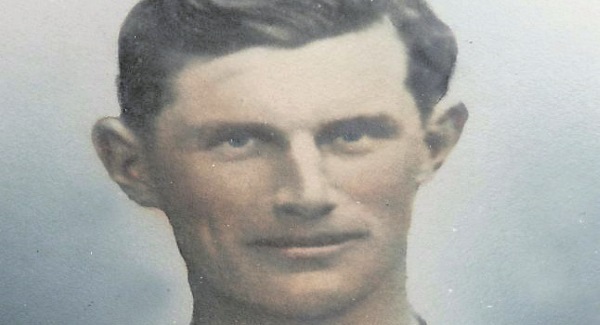
British forces opened fire on the crowd watching a Dublin-Tipperary football match, killing 14 people, including Tipperary player Michael Hogan.
Before the match tonight, the lights will be lowered and the flames will represent each of the people who lost their lives on the day. No spectators will have access to Hill 16 and the flames will remain lit for the duration of the game.
GAA president Aogán Ó Fearghail and director general Paraic Duffy will also lead a procession onto the pitch to lay a wreath at the spot where Hogan was shot dead. This will be followed by a minute of silence.
The jersey he wore on the day is currently on display in the GAA museum along with the matchday ball.
The 13 other people who lost their lives on Bloody Sunday were: Jane Boyle, 26; James Burke, 44; Daniel Carroll, 30; Michael Feery, 40; Tom Hogan, 19; James Matthews, 48; Patrick O’Dowd, 57; Jerome O’Leary, 10; William Robinson, 11; Tom Ryan, 27; John William Scott, 14; James Teehan, 26; and Joe Traynor, 21.
Mr Ó Fearghail said the commemoration promises to be a special event and the GAA, along with family members, would also erect a gravestone for Jane Boyle in Glasnevin cemetery.
“One [of the victims] was aged 10 and one was aged 11. Indeed poor little William Robinson, an 11-year-old boy, he climbed a tree,” Mr Ó Fearghail explained.
“The tree was where the Davin Stand meets the Hogan Stand at the moment. He was simply watching the game from the tree and was shot dead. Jane Boyle was due to be married a week afterwards.
“We are unveiling a commemorative headstone to Jane at Glasnevin cemetery. Her grave has lain unmarked until now and, along with her family, the GAA are involved in erecting a headstone over her grave.”