Fennelly inquiry seeks time, extra staff and €400k for lawyers
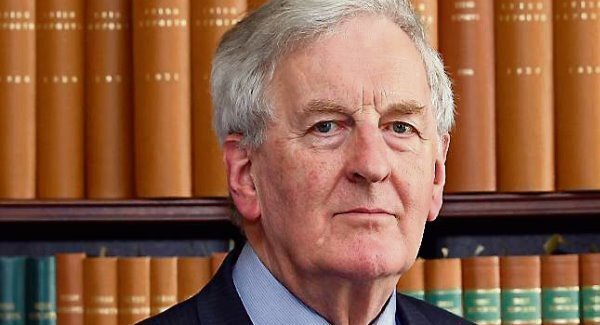
In a submission to the Taoiseach, commission of investigation chairman Nial Fennelly outlined what work has been done to date, but said the inquiry was not in a position to listen to years of taped calls across stations.
Enda Kenny is expected to give Justice Fennelly the extra nine months he requires to complete all work by September next year.
In the interim report, the judge outlined the mammoth task ahead in trying to identify what state agencies or level of government knew that calls had been recorded for years and whether anything improper had been done with the tapes.
The 20-page document, submitted last week, said the judge needs three extra barristers and more staff.
This is expected to cost up to €400,000 when expenses are included for witnesses.
But Justice Fennelly explained why the extra time is needed: “Although much has been achieved, there is a considerable body of work yet to be completed in relation to certain aspects of the commission’s terms of reference, with a number of time-consuming and labour-intensive tasks still to be concluded.”
Evidence to date shows differences in how much was recorded across stations, between 1995 and 2013. Barely any if no tapes before this period dating back to the 1980s were found by the commission.
The early recordings mostly related to 999 calls. The judge thought that covering the period of recordings would not be easy.
“This, it need hardly be said, is an extremely onerous and time-consuming task.”
The judge, separately, said a full search for recordings of conversations between lawyers and clients when in custody under a special recording system could not be done.
“A full search for this period would involve listening to approximately 13 years’ worth of recorded telephone calls from 23 stations, something which is clearly beyond the scope of this commission.”
Instead, the commission placed ads looking for lawyers to come forward. After a limited response, it tracked down the numbers of 500 practitioners.
Some 38 Garda technicians and a number of senior gardaí have already given oral evidence.
However, the judge has still to decide if a sampling technique will be needed to complete the inquiry.
He said a draft report could be ready by the end of the year, most of the work would be finished by next spring, and the completion of the inquiry could be expected next September.
While 45,000 calls had been examined by gardaí, only 1% related to the Sophie Toscan du Plantier case, which the inquiry is also examining.
CONNECT WITH US TODAY



Be the first to know the latest news and updates