Only 74 first-time buyers availed of tax refund system
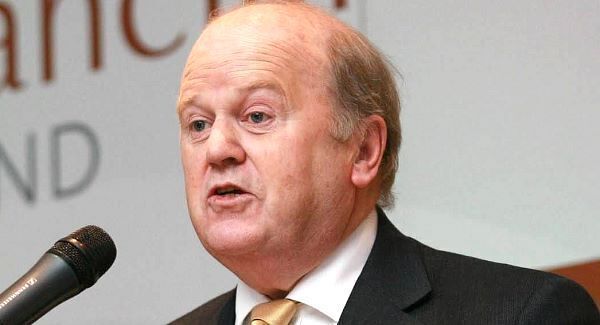
Just 74 first-time buyers have availed of the deposit interest retention tax (Dirt) refund which Finance Minister Michael Noonan claimed would benefit as many as 9,500 buyers get on the property ladder. The scheme allows those saving for their first home to hold onto the tax charged on interest earned, which would otherwise go to the State.
Fianna Fáil finance spokesman Michael McGrath said the relief scheme was a failure after Mr Noonan made the figures public. “It is now clear that the scheme to provide relief from Dirt for first-time buyers has been a major disappointment. In fact, the outcome is an insult to the thousands of people who are struggling to buy their first home. The scheme has not even managed to live up to its very modest expectations as previous parliamentary replies indicate that upwards of 10,000 were expected to benefit,” Mr McGrath said.
Mr McGrath said access to the housing market was becoming increasingly unattainable for first-time buyers due to a combination of factors, including the extraordinarily low uptake of the Dirt relief which has failed to appeal to homeowners.

Mr McGrath also identified the Central Bank’s mortgage lending rules as another roadblock to those looking to get on the property ladder.
Newly appointed Central Bank governor Philip Lane takes up the role amid rising dissatisfaction with the lending restrictions which were introduced earlier this year to limit the flow of credit and prevent the emergence of another property bubble.
Environment Minister Alan Kelly laid much of the blame for the country’s chronic lack of housing and the worsening homeless crisis at the door of the Central Bank over its introduction of tough 20% deposit lending restrictions.

Mr Kelly, who was also critical of “greedy” developers, claimed in a Sunday newspaper interview that the deposit requirements have squeezed potential buyers out of the market and “absolutely hammered housing construction in Dublin”.
Housebuilding in the capital is lagging behind requisite levels with just a quarter of the 8,000 new homes needed per year being built.
Business: 17
CONNECT WITH US TODAY



Be the first to know the latest news and updates