Knotweed survey to establish size of problem in Cork City
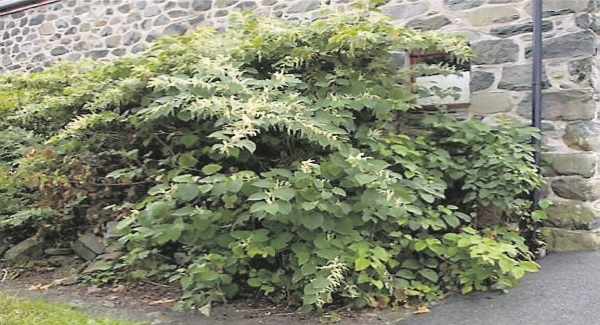
City councillors welcomed the move, following calls from authorities in Cork county and Kerry, earlier this year, for a national programme to eradicate the weed.
Its presence can affect the granting of planning permission and can prevent the issuing of mortgages.
Fine Gael councillor Laura McGonigle said it was a huge issue in the UK.
“There has been huge investment there to deal with the problem, but the authorities here are only starting to address the issue now.
“I welcome the undertaking of the survey, as a first step, but the departments of agriculture and environment will have to address this, and provide finance to tackle it here, in the short term.”
City officials told councillors on Monday that they plan to begin the survey next February to establish the locations of Japanese knotweed on both public and private lands, and to recommend a costed treatment and eradication plan.
However, they warned that funding will be needed, and that the control and treatment of knotweed on private lands is the responsibility of the landowner.
In the county, officials are considering setting aside money in next year’s budget to tackle the issue, after concerns were raised during the summer about the prevalence of knotweed in some of West Cork’s biggest towns.
Knotweed is an invasive species which was introduced from Japan as an ornamental plant in the 19th century.
It has since spread across the island, particularly along watercourses, transport routes, and waste grounds, where its movement is unrestricted.
It can grow through concrete and tarmac. It can undermine foundations and can damage houses and buildings. A mature plant can grow at up to 20cm each day.
Planning is being turned down in parts of the UK where knotweed has been found close to 200,000 homes, and where it has caused up to €231m of damage. Its presence lowers the value of property, or makes it unsaleable. The British government has set aside £2bn to tackle it. As county officials here consider setting aside money next year for the same reason, officials in the city said they want to establish the extent of the problem first, through the survey, which will begin in February and should be completed by next October.
“A report on the findings of the survey will be prepared and include mapped data, areas of high infestation, and identification of public and private lands,” said Eamonn Walsh of the environment and recreation department.
“The report will recommend a timescale for control and implementation, and identify the resources required for same.”