Concerns raised over Silimed breast implants
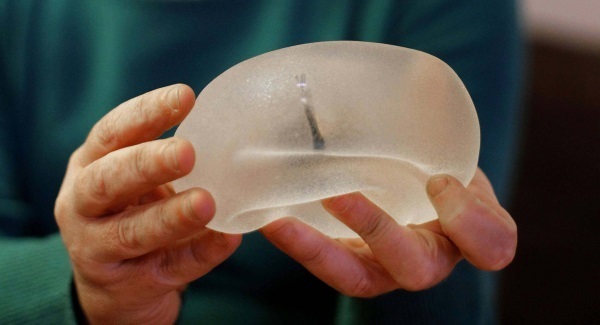
Irelandâs Health Products Regulatory Authority (HPRA), along with its fellow European medical device regulators), has been told that the CE quality conformity certificate for all medical devices made by the Brazilian manufacturer Silimed has been suspended.
The move comes after an inspection of the companyâs manufacturing plant in Brazil found the presence of particles on the surface of some of the devices.
The Silimed suspension covers devices used in plastic surgery such as breast and pectoral (male chest) implants, urological devices including testicular and penile implants and vaginal stents, as well as other surgical devices, including gastric bands and balloons.
However, the HPRA said it understands only breast implants, gluteal (buttock) implants, and tissue expanders have been supplied to the Irish market.
âAt this point, based on information that the distributor has provided, the HPRA estimates that up to 980 women may have received these breast implants over a seven-year period,â it said, adding that it was investigating the matter in collaboration with other European regulators and recommended that none of the devices should be implanted until further advice is issued.
However, it also emphasised that, to date, there has been no indication that the issues could pose a threat to people with th implants.
âEU health regulators have initiated testing of samples of products to establish if there are any health risks,â it said.
âThe HPRA is working with the supplier to identify if products which have been supplied to Ireland are affected by the issues under review. Until the risk assessment is completed, the recommendation of the HPRA is that recipients of implants do not need to take any action.
âThe measures being introduced at this time are precautionary but any person concerned should contact their implanting surgeon or clinic.â

It said it will provide a further update when more information is available.
The Silimed product suspension comes after medical authorities found in 2010 that one of the worldâs leading breast implant makers, Franceâs Poly Implant ProthĂšse (PIP), was not using medical-grade silicone in its devices, leading them to have double the rupture rate of other implants.
Hundreds of thousands of patients in Europe and South America were affected, and PIPâs president Jean-Claude Mas, was jailed for four years in December 2013.