Men urged to ask for consent first before sex
The question is not about lifetime commitment, however, but about making sure a date or partner wants to have sex before initiating sexual contact.
Using the slogan ‘There are no grey areas’, posters say: “You asked her name, you asked her out for drinks, you asked her back. You asked her if she wanted to have sex. Right?” before going on to warn: “Sex without consent is rape.”
The campaign, to be launched today by Justice Minister Frances Fitzgerald, is headed by the Dublin Rape Crisis Centre in partnership with regional rape crisis centres, the Union of Students in Ireland (USI) and the White Ribbon movement, which works to end male violence against women.
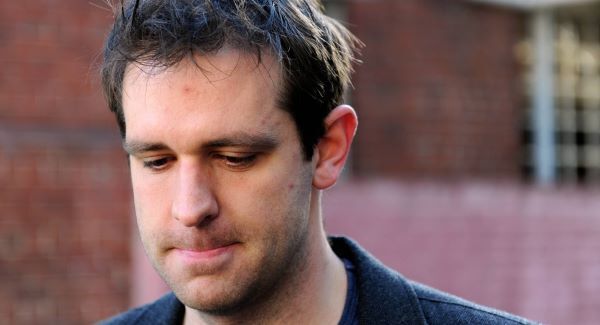
White Ribbon’s Tom Meagher, whose wife, Jill, was raped and murdered in Melbourne, Australia, three years ago next Tuesday, said it was essential that the principle of consent was understood and respected.
“We believe that awareness and education in this area needs to be taught as fundamental and as a priority,” he said.

Ellen O’Malley-Dunlop, CEO of the Dublin Rape Crisis Centre, said Irish rape legislation was lacking because it did not include a definition of consent, something she hoped would be remedied in the new Sexual Offences Bill being drawn up.
She said that, in July and August alone this year, rape crisis centres accompanied 108 victims of rape and sexual assault to four sexual assault treatment units.
“Research tells us that only one in 10 report these crimes. These most recent figures are very worrying and alarming,” she said.
USI president Kevin Donoghue said he hoped the campaign would open up dialogue around the issue of consent.
“Consent is a verbal and active affirmation, and this is something we need to include in our sex education and as part of our consent culture on campus,” he said.
Much public debate around the issue of consent followed a recent court case in which a Norwegian man received a suspended sentence for rape after admitting having sex with his Irish girlfriend while she slept.
The victim, Niamh Ní Dhomhnail, waived her anonymity to protest the leniency of the term and to stress that, regardless of being in a relationship with the accused, his failure to wake her to ask for consent was rape.