Minister forced to consider Callely case again
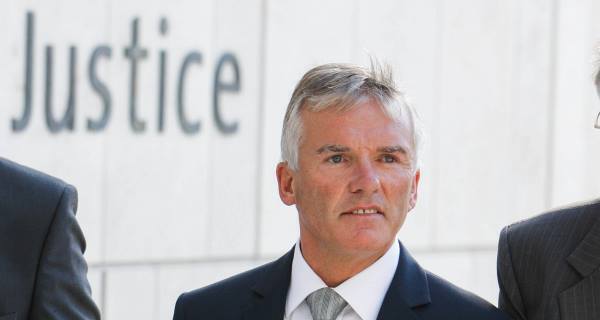
The court ruled his application for enhanced remission was not properly considered by the authorities and must now be returned to the justice minister for fresh consideration.
In his judgment, Mr Justice Anthony Barr found the minister fell into error when refusing to grant Callely enhanced remission as it appeared she had failed to take all of the relevant matters into account, which she is obliged to do, when arriving at her decision.
In the circumstances the judge quashed the minister’s refusal to grant Callely enhanced remission.
Had his challenge been dismissed, Callely, who was present in court yesterday, faced being returned to prison for six days to serve the rest of his sentence.
Callely had been on bail on his own bond of €100 pending the outcome of the legal challenge to the decision of the minister and the governor of Wheatfield Prison in Dublin not to grant him temporary release.
The State parties denied the claims and opposed the action.
The former politician brought proceedings over the refusals to grant him enhanced remission and temporary release from a five-month sentence he received last July after he admitted he fraudulently claimed €4,207.45 expenses from the Oireachtas on forged mobile phone invoices.
He claimed he was entitled to one third remission of his sentence, as opposed to the normal one quarter because he demonstrated good behaviour by participating in structured prison activities and was unlikely to reoffend.
He argued the minister’s refusal of temporary release or extra remission was unfair and he was not being treated the same as other prisoners who have committed more serious crimes. He sought orders quashing the refusals made in October and November of last year.
Callely also claimed he has been told by Wheatfield staff he should not be in prison and was only being kept there because of his high profile. He had claimed he had been “punished twice” by the decision to refuse to treat him the same as other prisoners who are entitled to enhanced remission.
In his judgment, Mr Justice Barr said an error of material significance was made when the decision-maker failed to properly assess the available evidence as to the manner and extent to which Callely had engaged with the authorised structured activities made available to him.
The judge said there was no evidence in the minister’s decision that adequate regard was given to a number of factors when consideration was being given to Callely’s application for enhanced remission.
These factors include reports from an assistant prison governor that there was very little chance of Callely reoffending, that he was a first-time offender, and that he had engaged fully with all the services and structured activities available to him in Wheatfield Prison.
Consideration must be given, the judge said, to the fact Callely’s conduct in the prison was described by authorities as “impeccable”.
Other factors that should have been considered, the judge said, were the manner and extent to which Callely has gone to address his offending behaviour.
The matter was adjourned to next week.