Villagers still scarred by MH17 tragedy
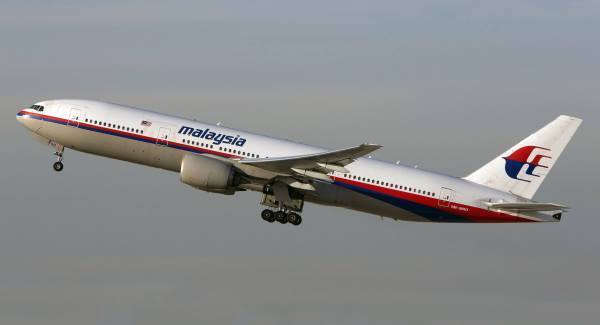
But the downing of Malaysian Airlines Flight MH17 still haunts residents, who remember the bodies that plummeted from the sky above their sleepy village in eastern Ukraine.
“People came out of their houses to see a boy without the head, who was lying there,” on the street, recalled villager Nadezhda Tsyb. “Then I saw a girl: She was coming down from the sky, whirling in the air, then she fell into my neighbour’s vegetable patch.”
All 298 people onboard MH17 were killed when the plane was downed on July 17, 2014, over rebel-held territory in eastern Ukraine, where government forces and Russia-backed separatists had been fighting for months.
Ukrainian and Western officials said the plane was shot down by a rebel missile, most likely by mistake, and that Russia supplied the weapon or trained rebels to use it.
Both the rebels and Moscow denied that.
A preliminary report released in the Netherlands last year said the plane had no technical problems in the seconds before it broke up in the sky after being struck by multiple “high-energy objects from outside the aircraft”, which could have been a missile.
A year after the crash, the families of the victims are still waiting for the results of the investigation, while residents of Hrabove keep finding personal belongings and parts of the plane in the area.
One local resident pointed to a piece of fuselage the size of a car hood, bearing the blue emblem of Malaysian Airlines.
The body of the boy that fell on the street next to Tsyb’s house was lying there, in the summer heat, for days. Villagers asked rebels who controlled the area to take them away, Tsyb said, because “it was too scary to go out”.
The West accused the separatists of hampering the investigation by blocking access to the site and tampering with evidence.
Aviation experts said at the time that the site was compromised since investigators had no access to it during the first few days after the crash.
Asked about claims that rebels removed or even destroyed some of the bodies, Alexander Borodai, a Moscow spin doctor who headed the rebel government at the time, said they had to take away bodies because they were decomposing fast in the scorching heat.
Hours before the MH17 went down, journalists saw a Buk M-1 launcher moving through the rebel-controlled town of Snizhne, carrying four 18-foot missiles.
Three hours later and 9km west, the plane was shot down.