‘Extra measures are needed’ to eradicate bovine TB
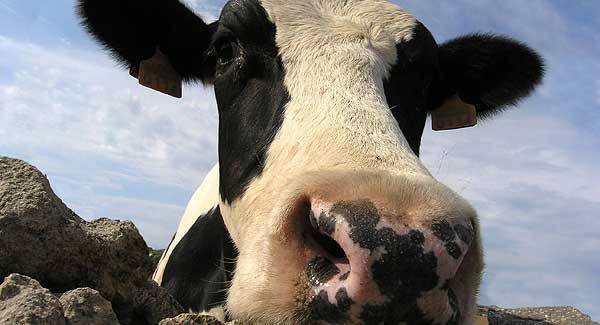
An EU report has concluded that extra measures need to be taken by the Irish authorities if bovine tuberculosis is to be eradicated from the national herd.

‘Extra measures are needed’ to eradicate bovine TB

An audit by the EU Food and Veterinary Office to evaluate Ireland’s implementation of EU-funded programmes to eradicate bovine TB found clear progress had been made since 2010 and was in compliance with EU requirements.

However, the audit, carried out in May 2014, said it was uncertain whether current measures are sufficient for the national herd to achieve bovine TB-free status.

Department of Agriculture figures show there were 16,145 reactors to almost 8.4m animals tested in 2014 — resulting in a bovine TB infected rate of just under 0.2%. The size of the national herd last year was more than 6.1m cattle.

Bovine TB was found in approximately 3.6% of all herds tested in 2014. More than 4,100 herds of almost 113,000 tested were restricted last year. However, the rate in the first quarter of 2015 has fallen to 2.45%.

The EU audit noted that overall progress in eradicating bovine TB appears to have halted since last year.

It said Ireland was “still far away” from the EU’s statutory target of 0.1% herd prevalence which is necessary for a country to be designated with the official status of being free of bovine TB. Furthermore, Ireland would have to maintain a level below 0.1% for six consecutive years to obtain such status.

A previous taskforce had recommended a certain testing method to increase detection rates. However, the audit found that although use of the so-called IFN testing by veterinary inspectors had gradually increased, its use was opposed by the farming community.

EU auditors were informed that Irish farmers are not in favour of IFN testing as they believe animals which test positive using the method have to be culled, despite uncertainty over whether such animals are really infected.

The audit concluded that optimising the use of IFN was “not yet a priority” for the Department of Agriculture.

It also found there was room for improved bio- security measures, noting that no other analysis had been carried out on certain local areas where bovine TB was recurrently detected over a number of years beyond testing for the presence of infected badgers to pinpoint the origin of the problem.

The Department of Agriculture said it believed that the current programme provided “a co-ordinated and robust framework by which eradication of bovine TB from the country will be achieved, particularly when the badger-culling strategy is supplemented, as planned, by a widespread badger vaccination programme”.

DISCOVER MORE CONTENT LIKE THIS

More in this section

Lunchtime News

Newsletter

Get a lunch briefing straight to your inbox at noon daily. Also be the first to know with our occasional Breaking News emails.

Cookie Policy Privacy Policy Brand Safety FAQ Help Contact Us Terms and Conditions

© Examiner Echo Group Limited