No sanction for hospitals that fail to meet A&E targets
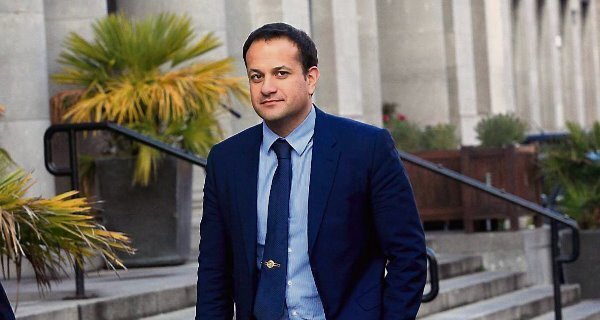
Leo Varadkar vowed there will be “zero tolerance” of anyone waiting over 24 hours on a trolley in a hospital emergency department.
He said leaving patients languishing on trolleys for more than a day will be a “reportable event” as he announced the Government was allocating €74m to deal with hospital overcrowding.
However, if a hospital is reported to the national hospital director, it will only be told “a solution will have to be found” and not face any actionable sanction.
There were 405 patients on trolleys in hospital emergency departments (332) and wards (73) yesterday, according to the Irish Nurses and Midwives Organisation.
Mr Varadkar said he wanted to have no more than 70 patients on any day waiting over nine hours in an emergency department for admission by the year end.
In 2006, former health minister Mary Harney declared it was a “national emergency” that 495 people were waiting on trolleys to be treated. On January 6 this year, the INMO’s trolley count reached a record 601.
The Emergency Department Task Force plan, also published yesterday, identified two targets that should be applied immediately:
- Zero tolerance of anyone waiting over 24 hours in an emergency department for admission to hospital and that it be a reportable event to the national hospital director.
- Eliminate nine-hour waiting time breaches for those aged over 75, also regarded as a reportable event.
Mr Varadkar said hospital overcrowding was not unique to Ireland but admitted it was worse than comparable health services.
“In some hospitals, it continues all year round, which really is well beyond the bounds of acceptability.”
He pointed out overcrowding had “come down a lot” since January, due to the €35m provided in the estimates for Fair Deal nursing home places, additional home care packages, more community intervention teams and temporary beds.
He said the number of people on trolleys was in the order of 300 in the morning, reducing to 200 or less in the evening.
Mr Varadkar said the situation over recent months was between 10% and 30% worse than last year. “That really is not the position that we had hoped to be in or wanted to be in.”
CONNECT WITH US TODAY



Be the first to know the latest news and updates