Dutch ban export of poultry after bird flu outbreak
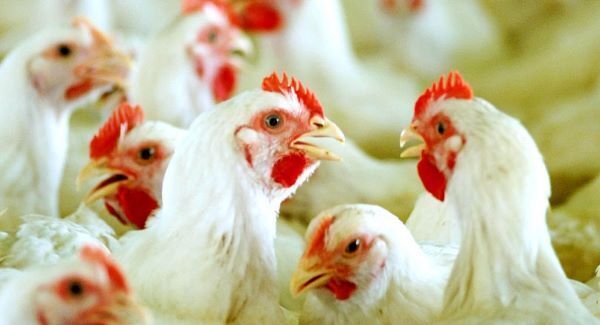
There is still no confirmation of the exact type of virus found in a duck farm in the north of England where the entire flock was slaughtered, although the authorities have said they do not think it poses a risk to human health.
The threat to Ireland depends to an extent on wind direction, according Carton Brothers’ Group producers. For the next few days, the wind will be coming from the south, the Bay of Biscay, which will reduce the danger from wind or bird bourne infections from the UK and Netherlands.
All 150,000 chickens at the farm south of Amsterdam were being slaughtered and the government has imposed a three-day ban on all poultry products being exported, including meat and eggs.
Britain was not taking similar steps, having undertaken to slaughter about 6,000 ducks at a farm in east Yorkshire and the creation of a 10km exclusion zone .
The chief veterinary officer for the region, Nigel Biggens, said the risk to public health was very low and authorities were focusing on how to protect the wild bird population.
While the main virus known to pose a threat to humans, H5N1, has been ruled out, veterinary officials have said they believe the outbreak may be linked to that in the Netherlands and a previous outbreak in Germany two weeks ago.
More than 30,000 turkeys were destroyed last month after a H5N8 strain infected a farm in the north east of Germany. However, Dutch authorities were taking a different approach.
“The highly pathogenic strain of avian influenza is very contagious among birds. For chicken, this version is deadly. Bird flu is a zoonotic disease, which means the infection can be transferred from animals to humans.
“For this reason, we are putting in place protective measures for people who may come into direct and close contact with infected poultry. A temporary standstill has been announced for poultry farms and mixed farms with poultry in the Netherlands.”
A European Commission spokesperson said a ban on meat exports was not expected in Britain because the circumstances were different to that in the Netherlands, were there was high density of poultry.
Meetings of experts in Brussels yesterday and later in the week were reviewing the measures to be taken.
The Vincent Carton group which produces the Manor Farm brand, says it has stepped up monitoring of their flocks and point out that since 45% of chicken filets sold in Ireland come from the Netherlands, the Dutch ban should help Irish sales. “The wind is our biggest defence. Ireland has not been affected by avian flu before and hopefully we will not be this time,” it said.
Teagasc says the Irish industry is seriously affected by cheap imports.
There are several different strains; most don’t infect humans, but some do.
It can be spread by wild birds and then between the foul and animals.
H7N9 and H5N1 viruses which killed almost two thirds — 384 in 10 years to 2013 — of those infected. Other strains, H7N7 and H9N2, have also infected people but not fatally.
Coming into close contact with infected poultry, live or dead.
Not if properly cooked, according to the World Health Organisation.
Varies depending on the virus but range from the usual flu symptoms such as sore throat, cough, temperature, muscle pains, to pneumonia and severe respiratory problems.
There are a number of antiviral drugs but the H5N1 is resistant to some of them and Tamil was developed to deal with this strain.
Up to 98% of poultry for human consumption is contaminated with bacteria that is resistant to antibiotics — because of over-feeding with the medication.
The result is a timebomb for human health, as the drugs to fight potentially fatal ailments are less likely to work.
An estimated 25,000 people in Europe die every year, because the antibiotics they are given fail to work because the bacteria has become resistant.
A campaign to reduce the amount of antibiotics used in livestock across the EU was launched by BEUC, the EU’s umbrella consumer organisation.
They want the EU to bring in rules that would be applied right across the union that would cut the routine use of antibiotics by farmers.
Using antibiotics to make animals and foul destined for human consumption grow faster was banned in the EU in 2006, but animals are still given them to prevent illness, even though the whole herd is healthy, points out BEUC.
The European Parliament is discussing new rules and the organisation says that MEPs should clearly ban giving antibiotics to healthy animals.
Currently, member states can set their own rules on the issue, but BEUC says that it makes more sense to have the same rules throughout the EU.
The body’s member organisations in nine countries carried out tests on raw meat for sale to consumers.
They found that in Germany, the Netherlands, Belgium, Spain, Italy, and Portugal, between 72% and 98% of poultry samples were contaminated with bacteria that would not be killed off by antibiotics.
In France, while the rates overall were lower, samples contained superbugs — bacteria that were resistant to several antibiotics.
The head of BEUC, Monique Goyens, said: “Resistant bacteria withstand antibiotics, meaning infections — even routine ones — will be more difficult to cure.
“As a result, surgery or chemotherapy that rely on antibiotics have already become more hazardous.”
CONNECT WITH US TODAY



Be the first to know the latest news and updates