Criminal gangs ‘hire patsies’ to front rogue fuel stations
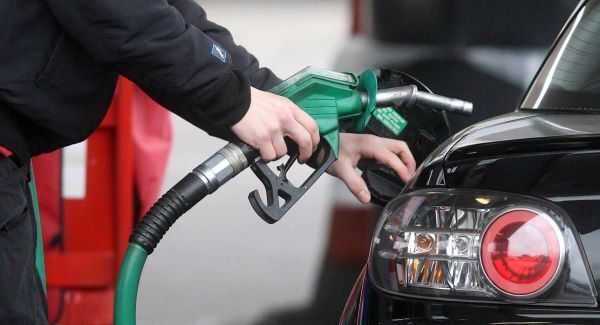
Following the discovery of the biggest diesel laundering plant in the country — with capacity to launder 20m litres a year — customs officers are expected to now concentrate on rooting out garages selling the contraband product.
Backed by armed gardaí, customs officers raided a laundering plant at Drumboat, Inniskeen, in Monaghan on Monday night.
The discovery followed lengthy surveillance, sparked by a curious official who noticed suspicious activity in the area months ago.
Sean Kelleher, customs enforcement manager for the border region, said that officers discovered a static laundering plant and a mobile laundry concealed in an oil tanker within a commercial yard.
Officers he said, also seized 50,000 litres of laundered fuel, three oil tankers, two stationary tanks, and ancillary equipment at the site which is close to the south Armagh border.
A 42-year-old man was arrested at the scene and was taken to Carrickmacross Garda Station for questioning. It’s believed the plant could have been operating for more than a year and, if at capacity, could have cost the State an annual loss of approximately €10.5m in excise and duties.
Mr Kelleher said organised gangs — which other security sources believe include former subversives — were supplying a network of garages with the fuel. The senior customs official said the gangs find “patsies” who have no criminal records or issues with the Revenue, and set them up to front the garages.
The gangs launder a product designated as agricultural diesel. It is cheaper than normal diesel and is dyed green.
The criminals use bleached silicone dioxide to remove the dye and pass the end product off as ordinary vehicle diesel.
“In the past, they have used agents such as sulphuric acid which did a lot of damage to engines but there’s not as much [damage] now,” Mr Kelleher said. He said such a major laundering operation was not labour intensive and could probably be run by just three people.
Mr Kelleher said customs officials had also seized some documentation.
The majority of diesel laundering plants have been discovered close to the border, primarily because of subversive connections.
However, last November a garda stumbled upon a plant in Co Waterford which was capable of processing 10m litres a year.
Until then, the most southerly-located fuel laundering operation was discovered in Birr, Co Offaly, in September 2011.

CONNECT WITH US TODAY



Be the first to know the latest news and updates