‘No plans’ to stage ebola exercise
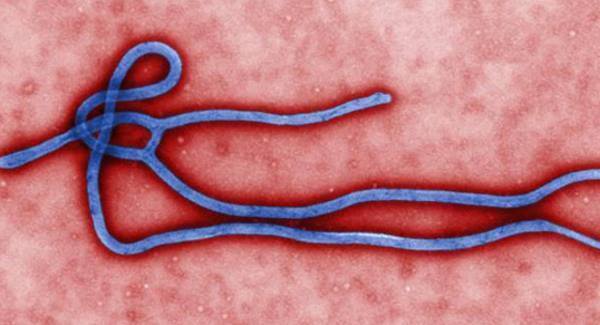
The HSE ruled out ebola as the cause of illness in a Nigerian woman who was rushed by ambulance to the national isolation unit in the Mater Hospital with suspected symptoms of the disease early yesterday.
The patient was described from the outset as at “low risk” of having the virus, and tests later resulted in ebola being ruled out.
The HSE in a statement said it “must, and does, take each ebola scenario seriously, no matter how low the risk”. A spokesperson for the Mater said all necessary safety precautions were taken by the ambulance paramedics who transferred the woman to hospital.
The HSE said the woman is receiving appropriate treatment at the Mater and that public health protocols are being put in place.
The woman is believed to have returned recently from Nigeria, which was yesterday declared ebola-free by the World Health Organisation after a 42-day period with no new cases.
Last week, the UK staged an eight-hour exercise in which actors in various parts of the country simulated symptoms of ebola to test their state’s response.
However, Defence Minister Simon Coveney, the chairman of the State’s emergency response taskforce, said there are no immediate plans to stage something similar here.
The State is prepared, and there is an “ongoing conversation” in the taskforce’s ebola sub-committee, chaired by the Department of Health, to look at all eventualities, he said.
“People have ensured that the system will work properly should the need arise,” said Mr Coveney.
“We have a lot of reassurance from the Department of Health that they are ready for a potential outbreak.
“But it’s important to stress that the likelihood of it happening here is very low.”
The Government is being briefed almost daily on the country’s state of readiness, he said and the emergency taskforce is due to meet soon for another update.
Mr Coveney also confirmed that measures are in place to respond to a confirmed case of ebola in one of the 59 Irish citizens living in the worst-affected West African states — Guinea, Sierra Leone, and Liberia.
The Department of Foreign Affairs is liaising with countries which have the capacity to evacuate an individual in a medical emergency.
The Government is also looking at ways in which it could arrange for confirmed cases to be treated locally in West Africa.
“The Department of Health is the lead department in terms of coordinating a specific taskforce that is working on ebola,” said Mr Coveney.
“The Department of Health and the chief medical officer have shown great leadership in this.
“We’ve made a deliberate decision not to lead this politically and to allow the chief medical officer reassure people because people will get more reassurance from a medic rather than a politician.
“We are very ready if someone in Ireland has symptoms. There is a system that will kick into gear and we are ready and resourced for that.”
There are currently no known cases of ebola in Ireland.
The HSE said if a case is confirmed “the primary concerns will be treatment of the patient and containing the situation” while maintaining medical confidentiality.
The HSE has also promised to issue a statement should a case of ebola be confirmed here.
Three ebola-infected travellers are predicted to depart on an international flight every month from any of the three countries in west Africa currently experiencing widespread ebola virus outbreaks.
That is if no exit screening takes place, according to research published in The Lancet. The Canadian-based researchers used 2014 worldwide flight schedules and historic flight itineraries of passengers from 2013 to predict expected population movements out of Guinea, Liberia, and Sierra Leone.
They also used WHO ebola virus surveillance data to model the expected number of exported ebola virus infections and to determine how useful air travel restrictions and airport departure and arrival screening might be in controlling the spread of the deadly virus.
The analysis, assuming no exit screening, showed that based on current epidemic conditions and international flight restrictions to and from Guinea, Liberia, and Sierra Leone, on average, just under three (2.8) travellers infected with the virus are projected to travel on an international flight every month.